
Gray muzzles and slower mornings: caring for a senior pet


By Paws & Claws Animal Hospital • July 30, 2026

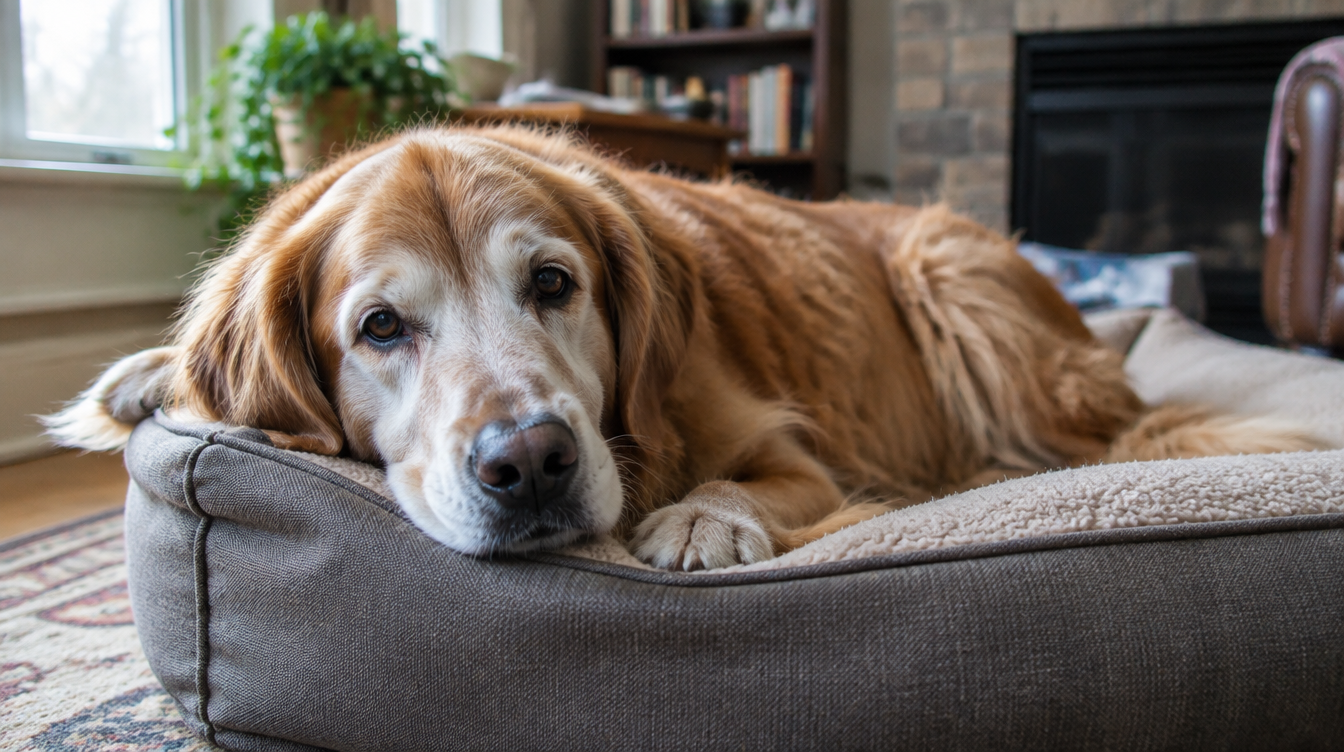
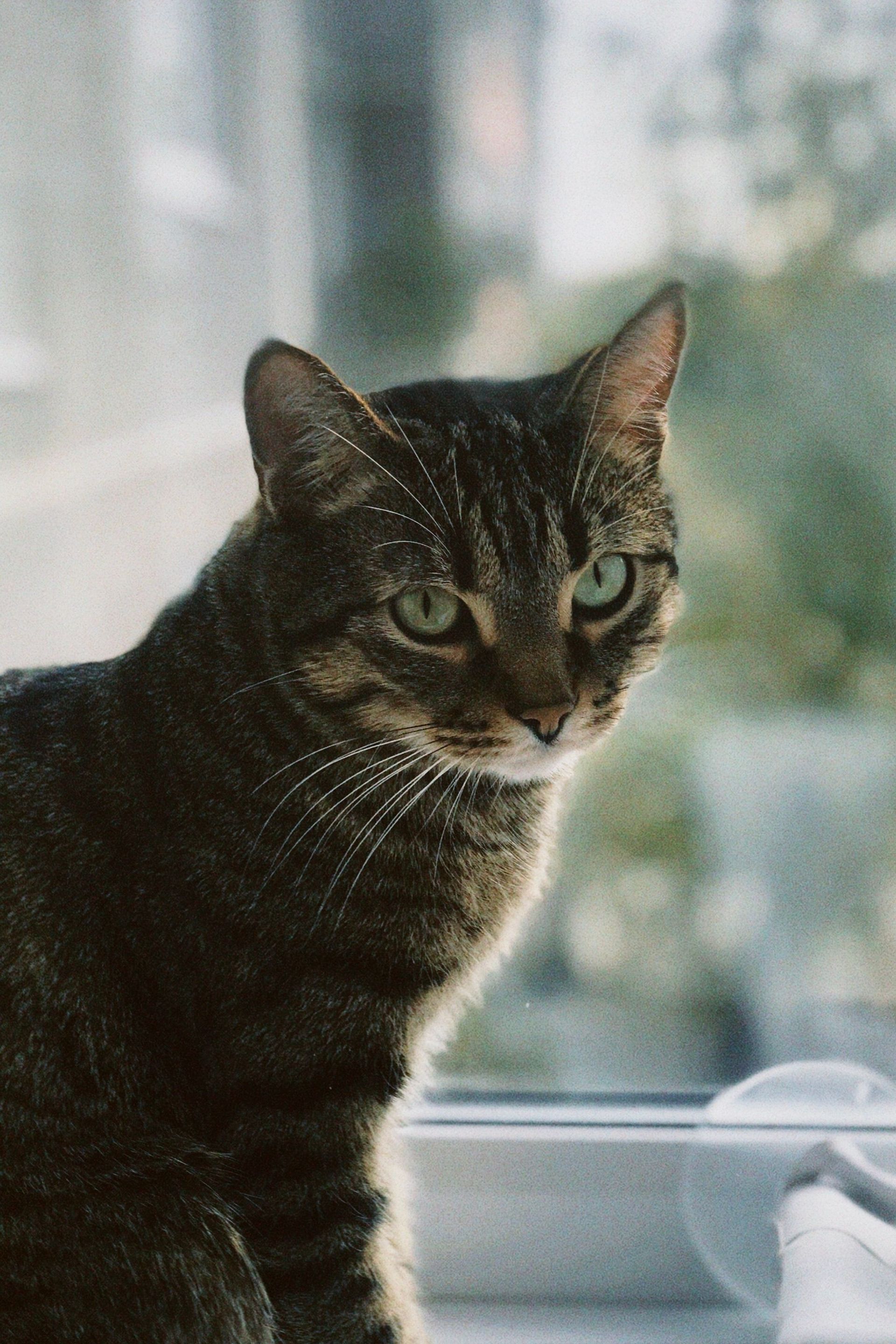
One day your dog beats you to the door for every walk. Then somewhere along the way you notice a little gray on the muzzle and a longer pause before the stairs. Cats do it even more quietly. They just nap a bit more and stop visiting the top of the fridge.

Getting older is not a disease, and plenty of senior pets have years of good living ahead of them. But their bodies do change, and those changes are a lot easier to manage when we catch them early. Here is what we talk through with owners of older pets.

When is a pet a "senior"?

It depends on who you are asking about. According to the American Veterinary Medical Association, cats are generally considered senior after about age 10. Dogs vary by size. Small and medium dogs usually hit senior status somewhere between 8 and 11, large breeds around 8 or 9, and giant breeds as early as 6 or 7.

So a 7-year-old Great Dane and a 7-year-old Chihuahua are living in very different chapters. If you are not sure where your pet falls, ask us at your next visit and we will tell you how we think about it for their breed and size.

What changes as pets age

Some slowing down is normal. Some of it is a health problem that looks like slowing down. The usual suspects in older dogs and cats include:

  • Joints. Arthritis is very common. It shows up as stiffness, trouble getting up, or skipping stairs and jumps.
  • Teeth. Dental disease builds over the years and can make eating painful.
  • Kidneys, heart and liver. These organs can start to struggle long before a pet looks sick. Kidney disease is especially common in older cats.
  • Weight. Extra pounds are hard on joints and raise the risk of problems like diabetes. Unexplained weight loss is a red flag too, especially in cats.
  • Eyes and ears. Some loss of vision and hearing is common with age.
  • Lumps and bumps. Many are harmless. Cancer does become more common in older pets, though, so new lumps are worth having checked.
  • The brain. Some senior pets develop changes in thinking and memory, a bit like dementia in people.

Signs worth a phone call

You know your pet better than anyone, so trust your gut when something seems off. These are the changes we most want to hear about:

  • Drinking or peeing a lot more than usual
  • Weight loss or gain you cannot explain
  • Eating less, or chewing oddly or dropping food
  • Limping, stiffness, or not wanting to jump, climb or go for walks
  • Accidents in the house or outside the litter box
  • Seeming confused, restless at night, or more vocal than normal
  • A new lump, or an old one that is growing or changing
  • Coughing, heavy breathing, or getting tired quickly

Cats deserve a special mention here, because they are experts at hiding discomfort. A cat who stops grooming her back end, sleeps in a new spot, or quits jumping on the bed is often telling you something.

None of these signs tells you what is wrong on its own. They just mean it is time for us to take a look.

Why checkups matter more in the later years

Pets age faster than we do. A lot can change in a year for a 12-year-old dog, which is why the AVMA suggests senior pets see their vet at least twice a year.

A senior visit is still a nose-to-tail exam, but we pay extra attention to weight, joints, teeth, heart and any new lumps. We will often recommend bloodwork and a urine test too. Those can pick up kidney, liver or blood sugar changes early, sometimes before you would notice anything at home.

Catching things early usually means more options and a more comfortable pet. It also gives us a baseline, so we can tell what is new and what is just your pet being your pet. You can read more about our wellness exams and other services here.

Small changes at home that help

A few simple tweaks can make an older pet's day a lot easier:

  • A thick, supportive bed somewhere warm and away from drafts
  • Rugs or runners on slick floors
  • Ramps or steps up to the couch, bed or car
  • A litter box with a low entry, on the floor your cat spends the most time on
  • Shorter, gentler walks more often (handy during a sticky Middle Tennessee summer, too)
  • Keeping food, water and furniture in the same places if eyesight is fading

Food matters as well. Older pets can have different nutrition needs, so ask us before switching diets or adding supplements. And please check with us before giving any pain medicine. Some human pain relievers are dangerous for pets.

Here for the golden years

Senior pets are some of our favorite patients. They have earned the good bed and the extra treats (in moderation, sorry).

If your dog or cat is getting up there in years, or if something on that list above sounds familiar, give us a call or request an appointment. We are happy to talk through what is normal aging and what we can do to help.

Have you scheduled your pets annual exam?


SHARE THIS

Latest Posts

By Paws & Claws Animal Hospital • October 16, 2026
Indoor cats still need a few core vaccines. Here is why, which ones matter most, and what to expect at the visit, from your Nashville neighborhood vet.
By Paws & Claws Animal Hospital • October 16, 2026
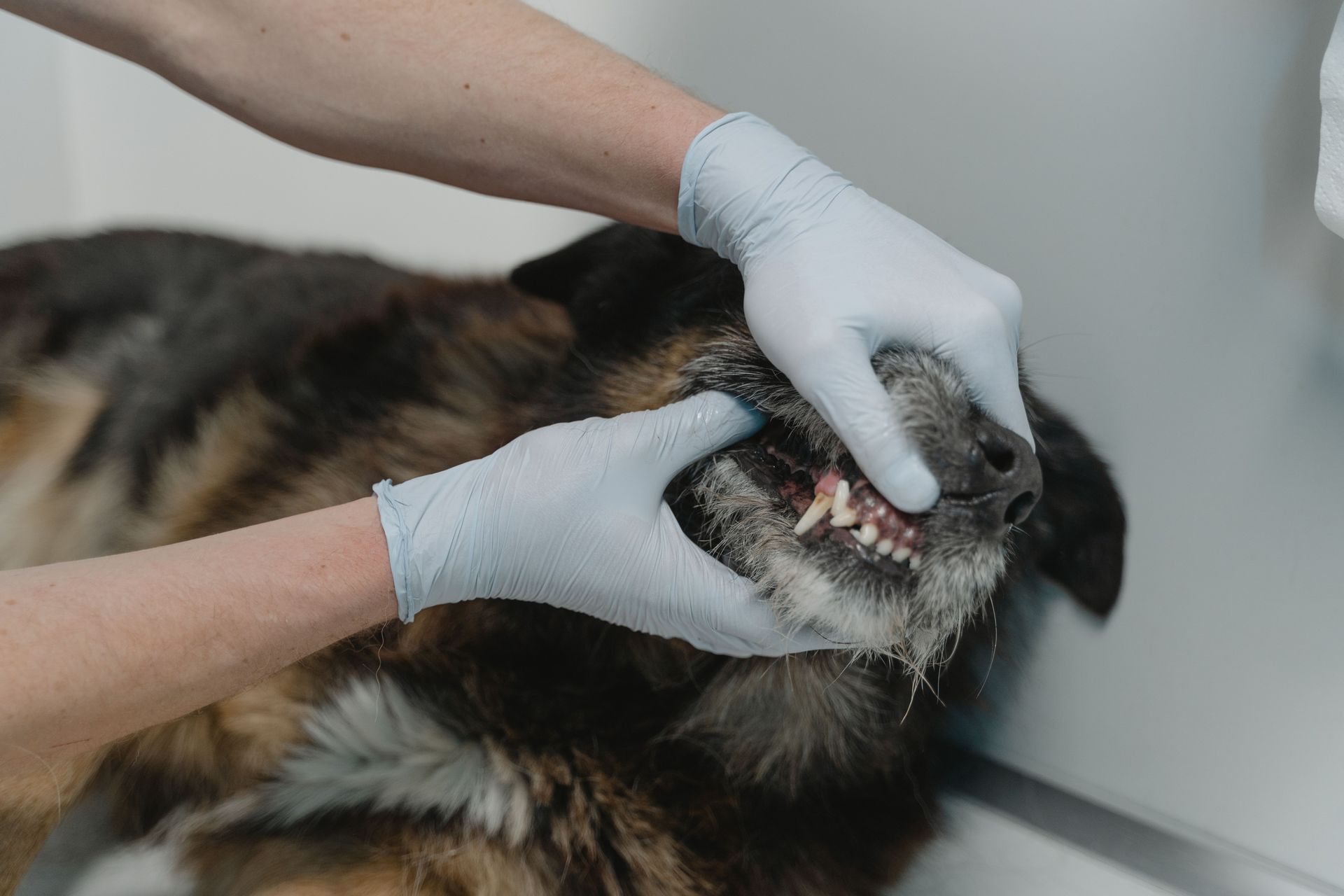
What happens during a dog or cat dental cleaning, why we use anesthesia, signs to watch for, and how to care for teeth at home. From your South Nashville vet.
By Paws & Claws Animal Hospital • October 16, 2026
Mushrooms, acorns, rat bait and antifreeze all show up around Nashville homes in fall. Here is what to watch for with dogs and cats, and when to call us.
Cat sitting by a bowl of Halloween candy near the front door
By Paws & Claws Animal Hospital • October 6, 2026
Halloween is coming to Nashville. Here is how to keep dogs and cats safe around candy, costumes, decorations and a doorbell that will not stop ringing.
Puppy on an exam table being scanned for a microchip
By Paws & Claws Animal Hospital • October 4, 2026
What a pet microchip is, how we place one, what it can and cannot do, and why keeping the registration current matters. From your Nashville neighborhood vet.
Dog on a leash walking a leaf-covered greenway trail in fall
By Paws & Claws Animal Hospital • October 2, 2026
Our favorite fall dog walks in Nashville, from Warner Parks trails to Metro dog parks, plus the leash rules and tick checks to know before you head out.
Orange tabby cat and pug sitting side by side looking up
By Paws & Claws Animal Hospital • September 28, 2026
A simple at-home check for dogs and cats, why a few extra pounds matter more than you'd think, and easy ways to help, from your Nashville neighborhood vet.
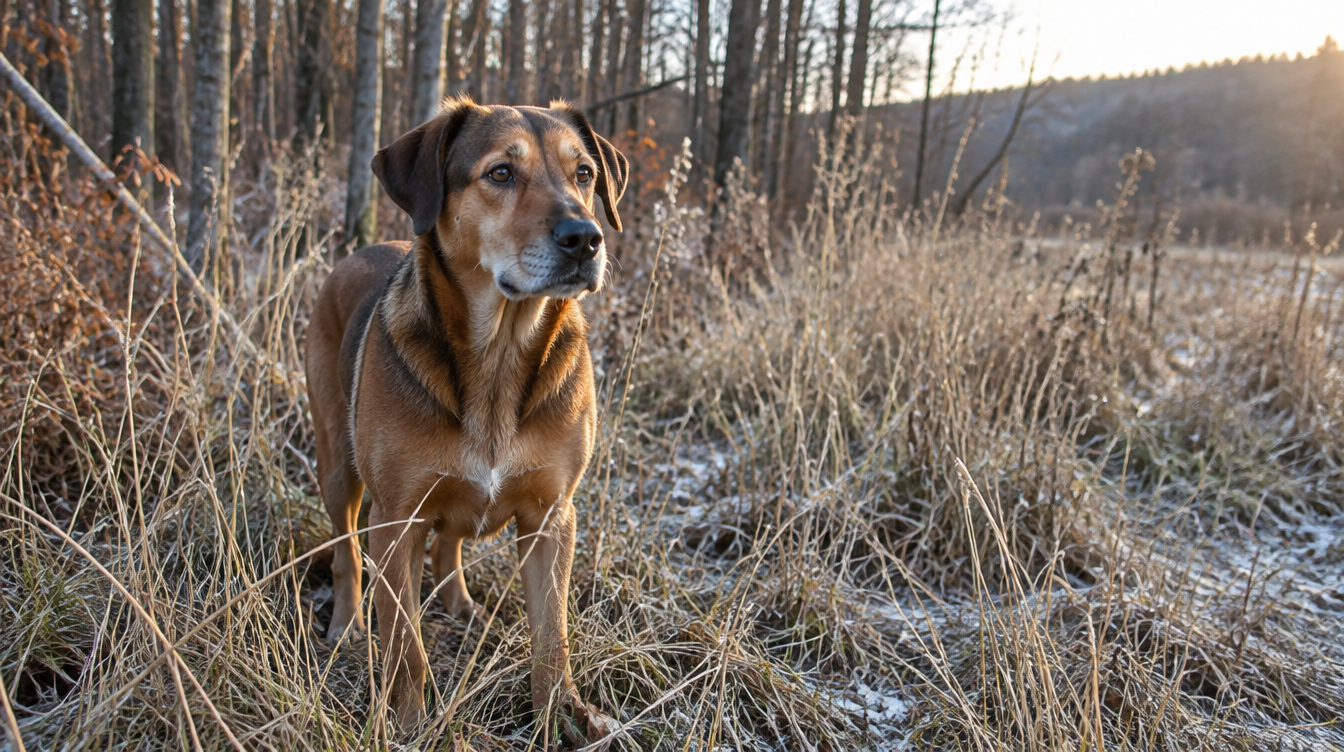
Dog standing in tall winter grass at the edge of the woods
By Paws & Claws Animal Hospital • September 16, 2026
Fleas and ticks stay active through Tennessee winters. Here is why Nashville dogs and cats need prevention all year, and how the products actually work.
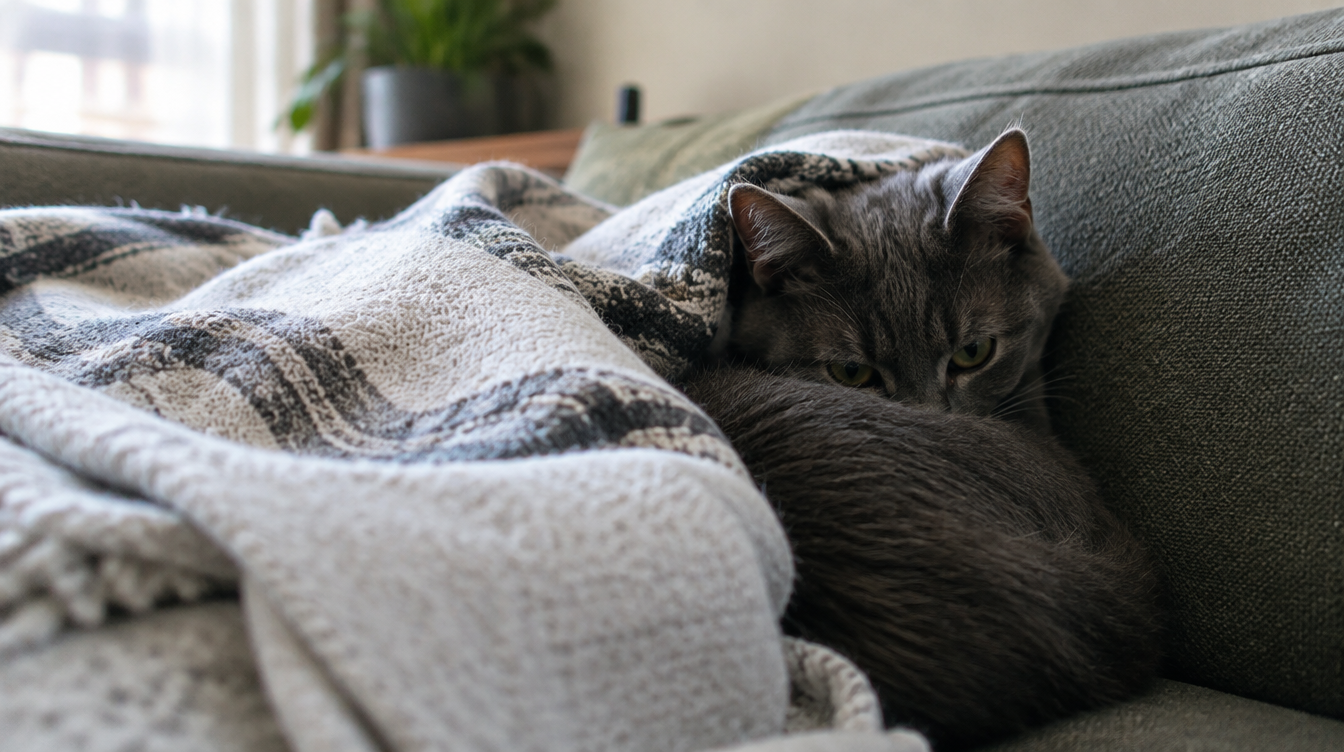
Gray cat curled up under a blanket on a couch
By Paws & Claws Animal Hospital • September 2, 2026
Cats are experts at hiding illness. Here are the small changes in eating, grooming, litter box habits and behavior that mean it's time to call your vet.
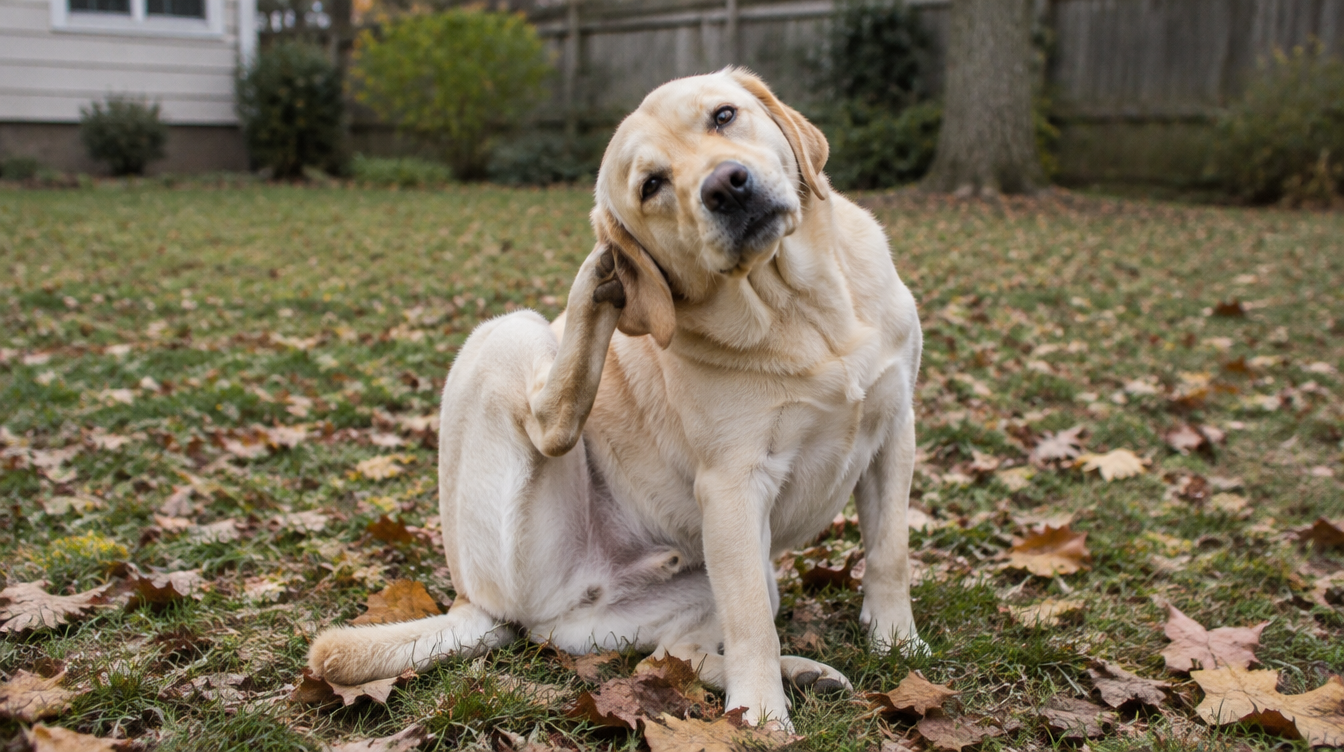
Labrador scratching its ear in a leafy fall backyard
By Paws & Claws Animal Hospital • August 26, 2026
Itchy skin, paw licking and ear trouble often flare in fall. Here is what allergies look like in Middle Tennessee dogs and cats, and when to bring them in.
Show More