Microchipping: a small chip that gets lost pets home
By Paws & Claws Animal Hospital • October 4, 2026

Every pet owner has had that moment. The gate was open. The screen door did not latch. The cat who "never goes outside" is suddenly, definitely, outside. Most of the time they turn up in ten minutes looking pleased with themselves. Sometimes they do not.
A microchip is one of the simplest things you can do ahead of time for that second kind of day. Here is what it is, how it works, and the one step people forget.
What a microchip is (and what it is not)
A microchip is a tiny electronic device in a glass capsule, about the size of a large grain of rice. It sits under the skin between your pet's shoulder blades. It has no battery and no moving parts, and it does nothing at all until a scanner passes over it. Then it gives up one thing: an ID number.
That number is the whole trick. It is linked to your contact details in a registry, so whoever scans your pet can look it up and call you.
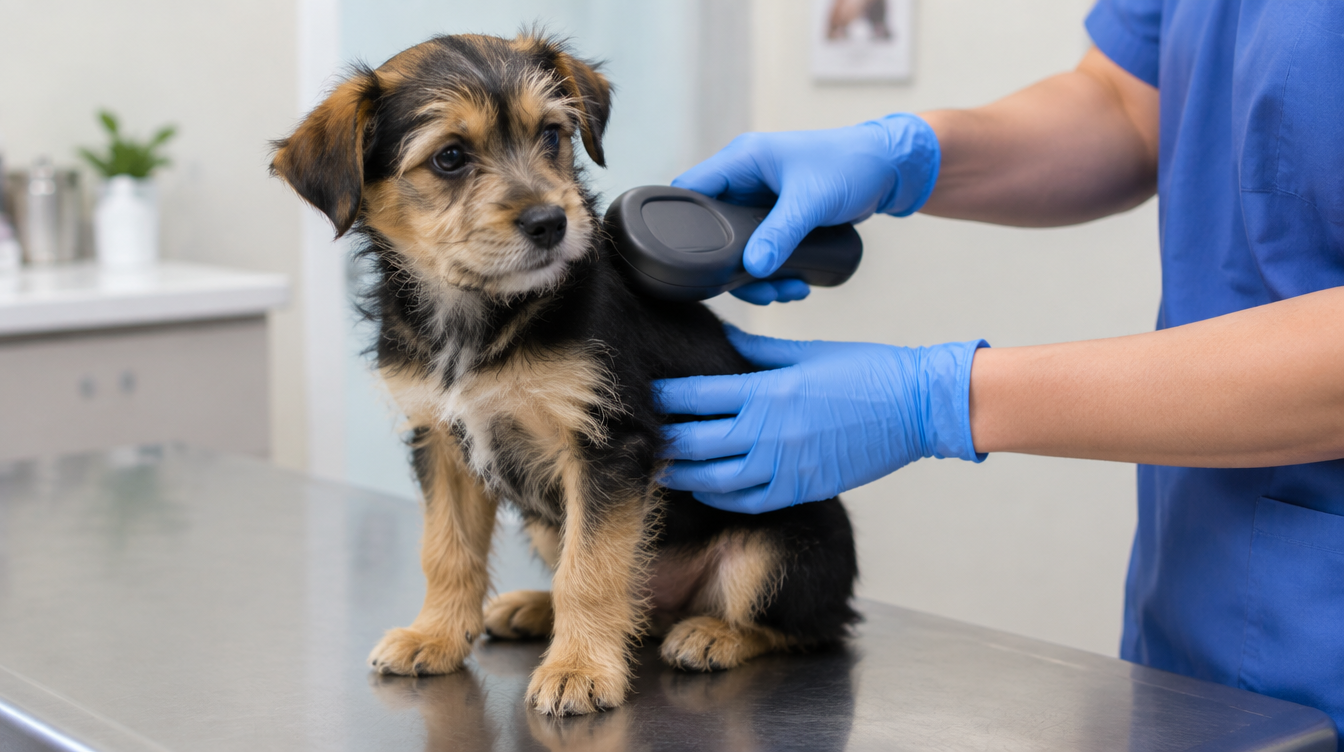
What it is not is a GPS tracker. We get asked this a lot. A chip cannot show you where your pet is on a map. It only works when someone finds your pet and scans them, which is what shelters, animal control and veterinary hospitals do with strays as a matter of routine.
How we place it
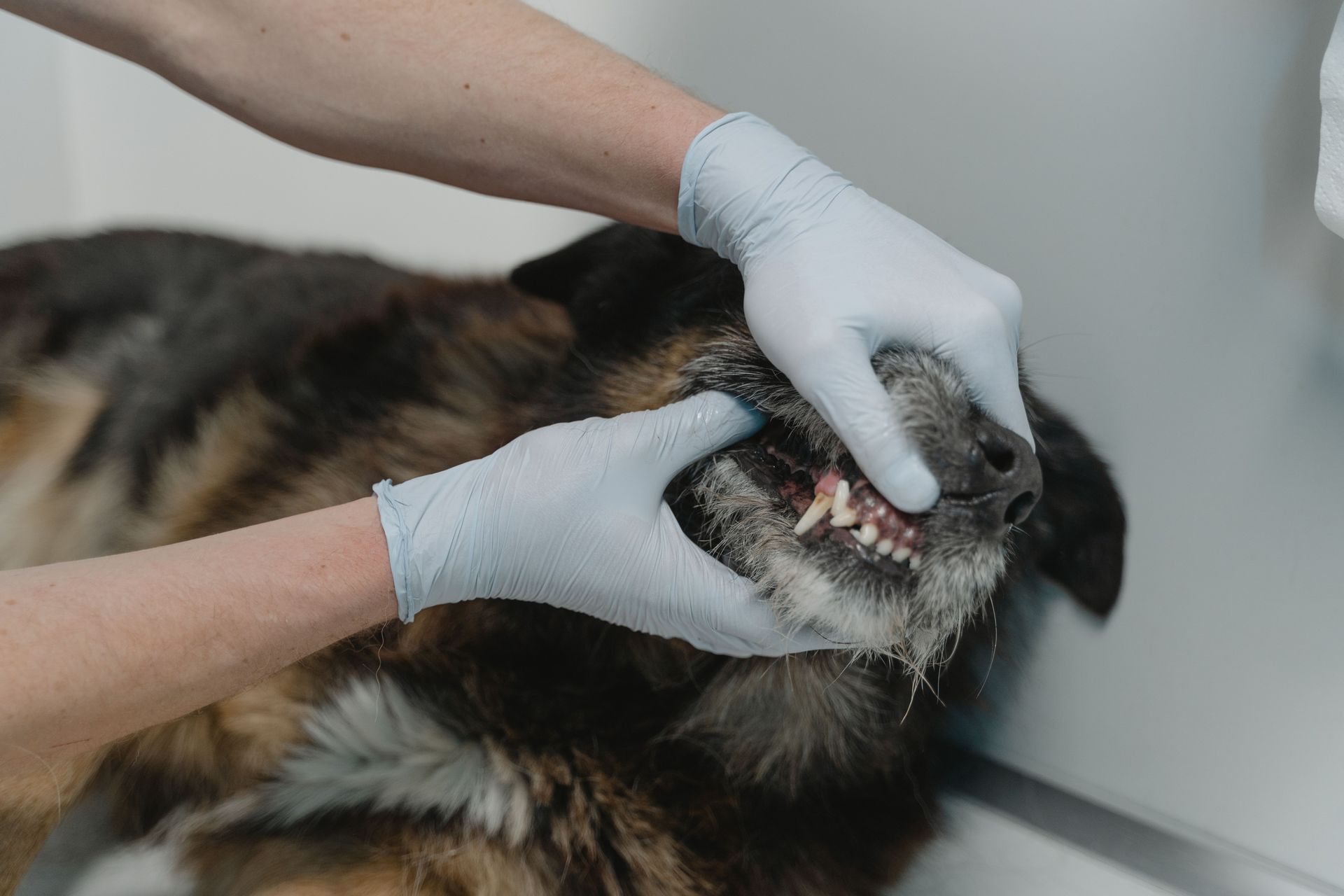
This part is quick. The chip goes in with a needle, much like a vaccine. Most pets react about the way they do to any other poke: a brief "excuse me?" and then they are back to sniffing the treat jar. No surgery and no anesthesia are needed.
We can do it during a regular wellness exam. If your pet is already going under anesthesia for a spay, neuter or dental, we can place it then, and they will never know it happened.
Once it is in, the chip is meant to last your pet's whole life. There is nothing to charge, replace or remember to put back on after a bath.
The step that actually matters: registration
A chip with no contact information behind it is just a number. The registration is what turns it into a phone call.
When we place a microchip, we register it to you before you leave. After that, the job is keeping it current. If you move, change your phone number, or adopt a pet who came with a chip from a previous home or rescue, the registry needs to hear about it. You can update your details online whenever something changes.
Here in Nashville, where plenty of us have moved across town (or across the country) in the last few years, old phone numbers on chips are a very common problem. A good habit is to check your pet's registration once a year, the same way you would check the batteries in a smoke detector.
Indoor cats count too
We hear "she never goes out" often, and we believe you. But indoor cats are the ones with no street sense when a door gets left open, a window screen pops out, or a storm spooks them during a move. They are also the least likely to be wearing a collar.
Collars and tags are still worth having on any pet who will tolerate them, because a neighbor can read a tag without a scanner. Tags fall off, though, and breakaway cat collars are designed to come off. The chip is the backup that stays put.
Already chipped? Let us check it
If your pet already has a microchip and you are not sure it is still registered to you (or you are not sure there is a chip at all), bring them by. We will scan for it at no charge and help you make sure the registration is up to date. It takes a minute, and it is a lot easier to sort out now than on the day you need it.
The short version
A microchip is a small, quick, one-time thing that makes it much easier for a lost pet to find their way back to you. Pair it with a collar tag, keep your phone number current, and you have done most of what can be done.
If you would like to add a chip at your pet's next visit, or just want us to scan an existing one, give us a call or request an appointment online. We are happy to help.