
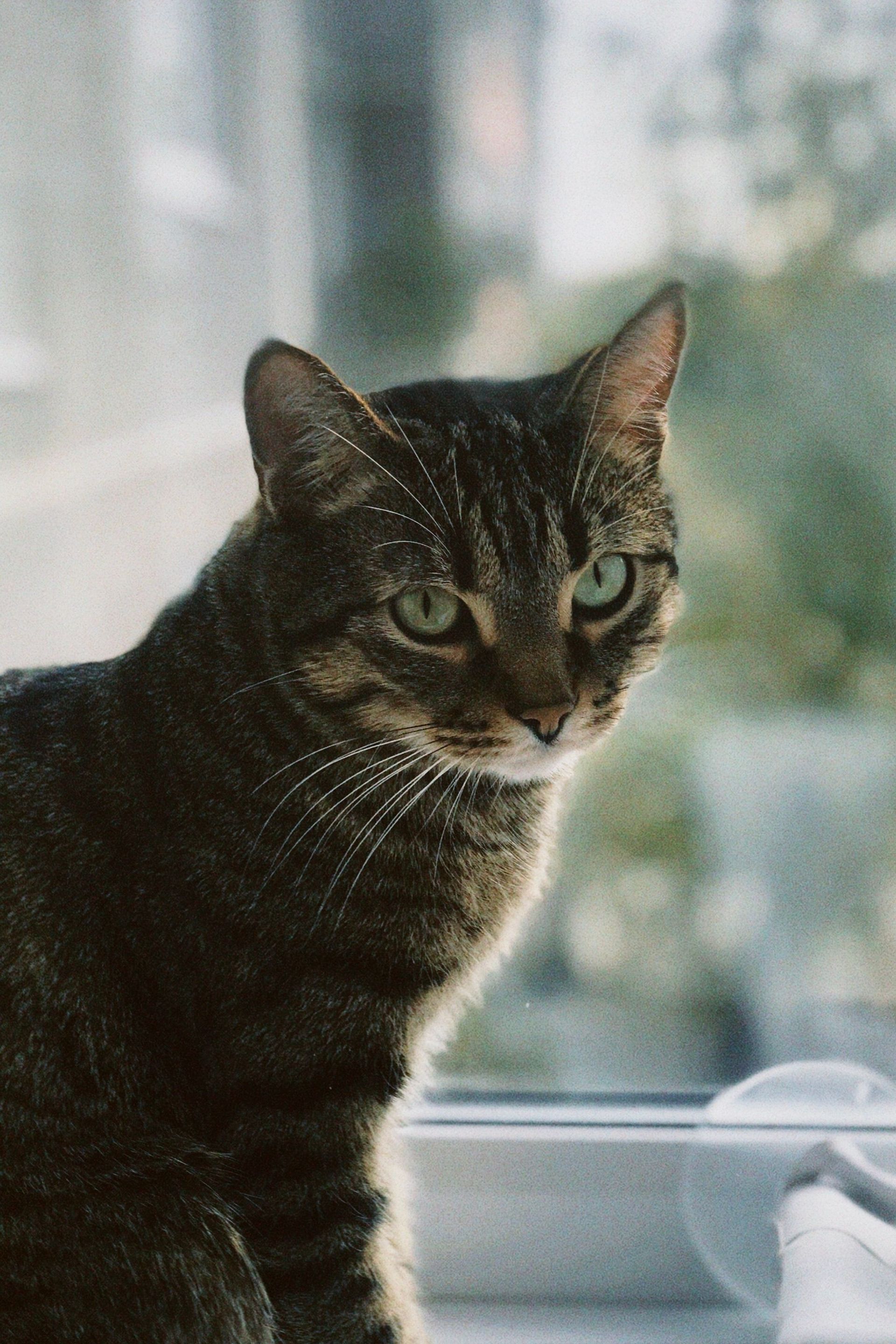
Indoor cats still need a few core vaccines. Here is why, which ones matter most, and what to expect at the visit, from your Nashville neighborhood vet.
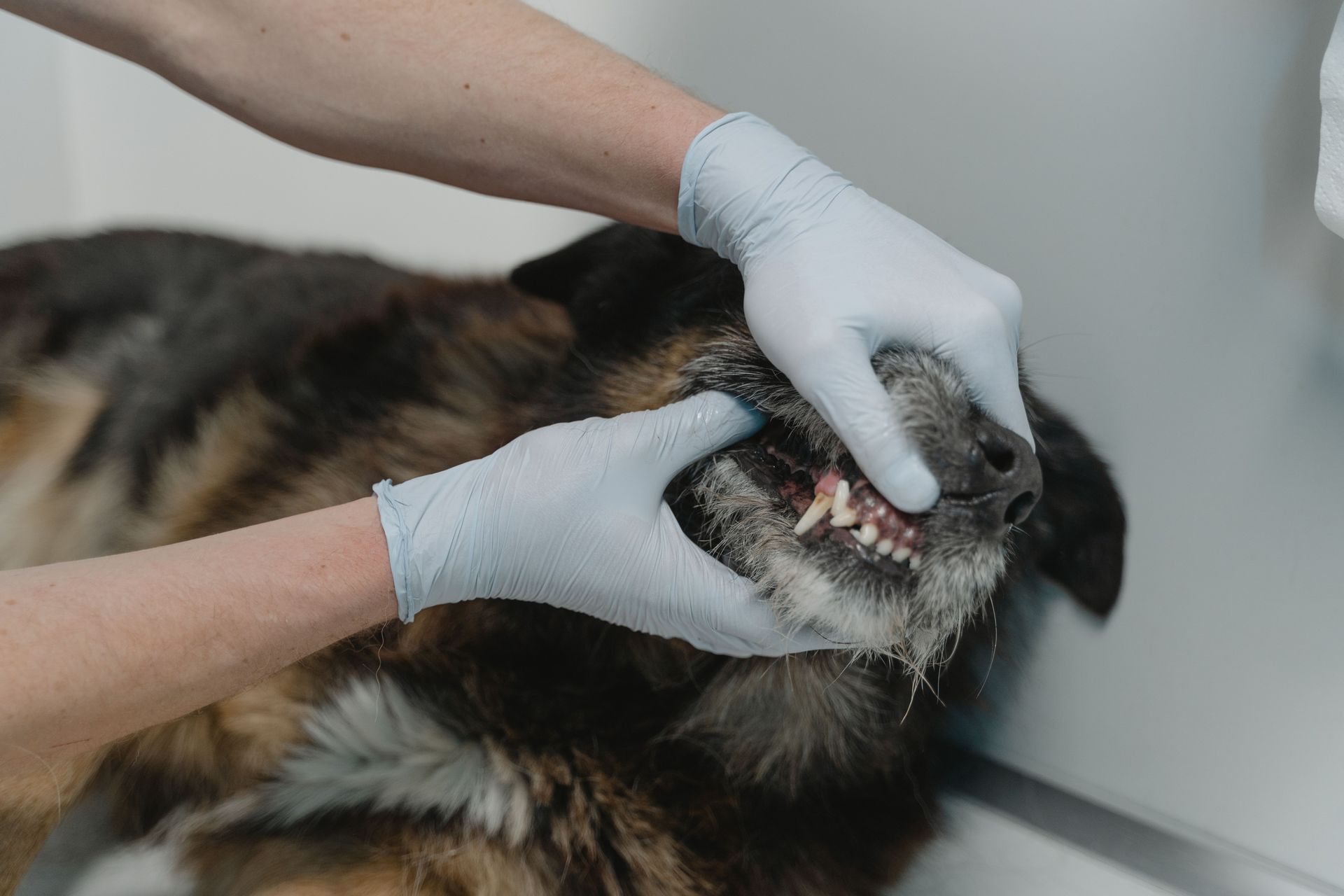
What happens during a dog or cat dental cleaning, why we use anesthesia, signs to watch for, and how to care for teeth at home. From your South Nashville vet.
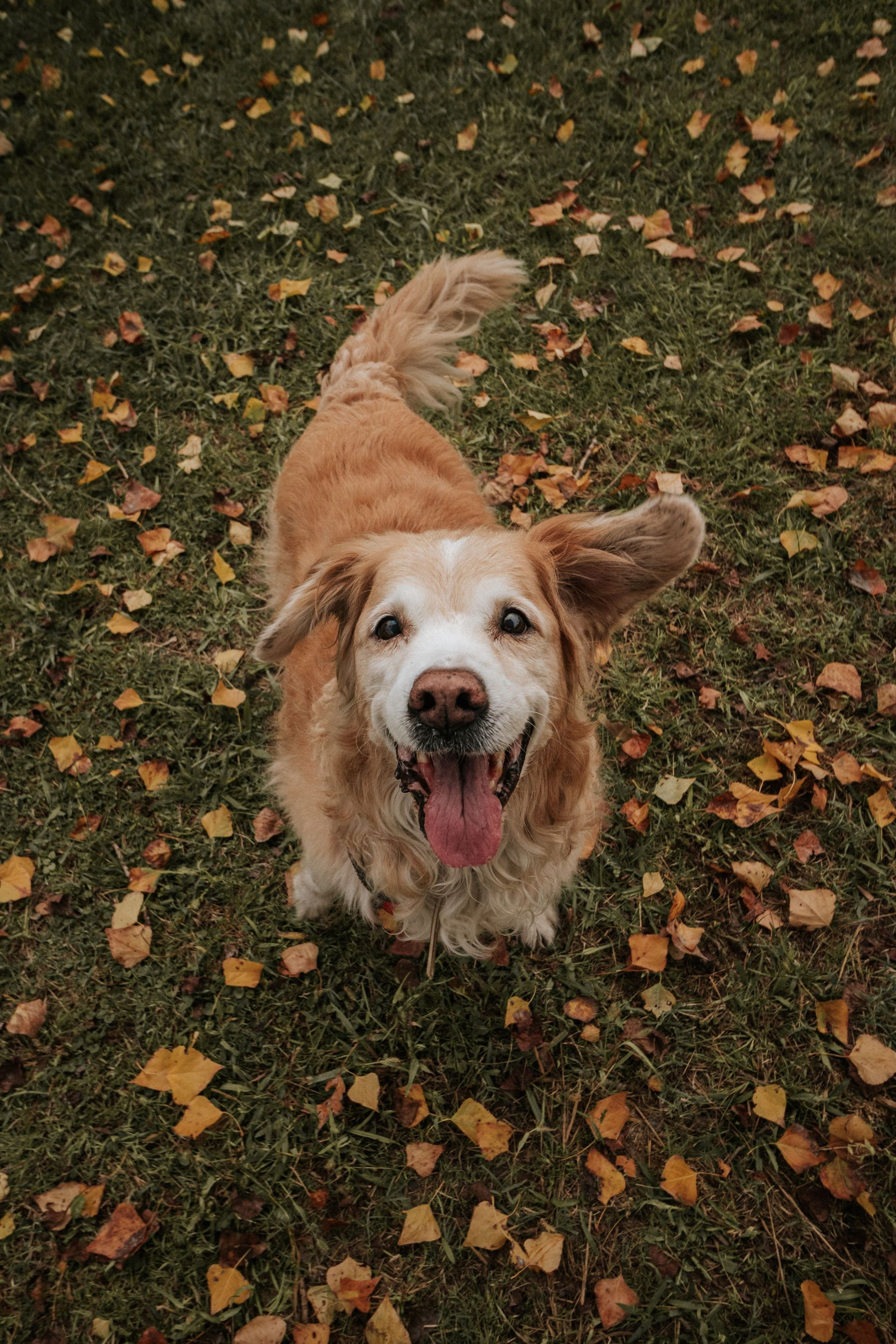
Mushrooms, acorns, rat bait and antifreeze all show up around Nashville homes in fall. Here is what to watch for with dogs and cats, and when to call us.
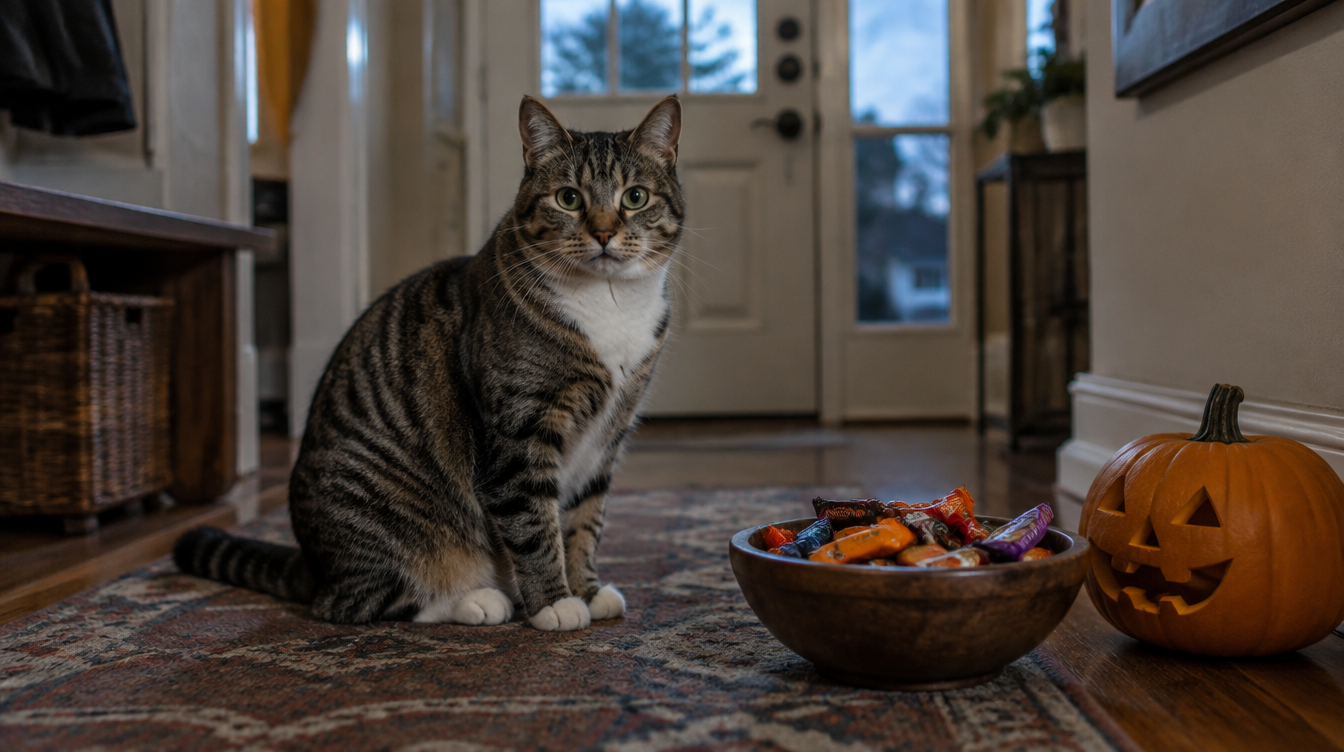
Halloween is coming to Nashville. Here is how to keep dogs and cats safe around candy, costumes, decorations and a doorbell that will not stop ringing.
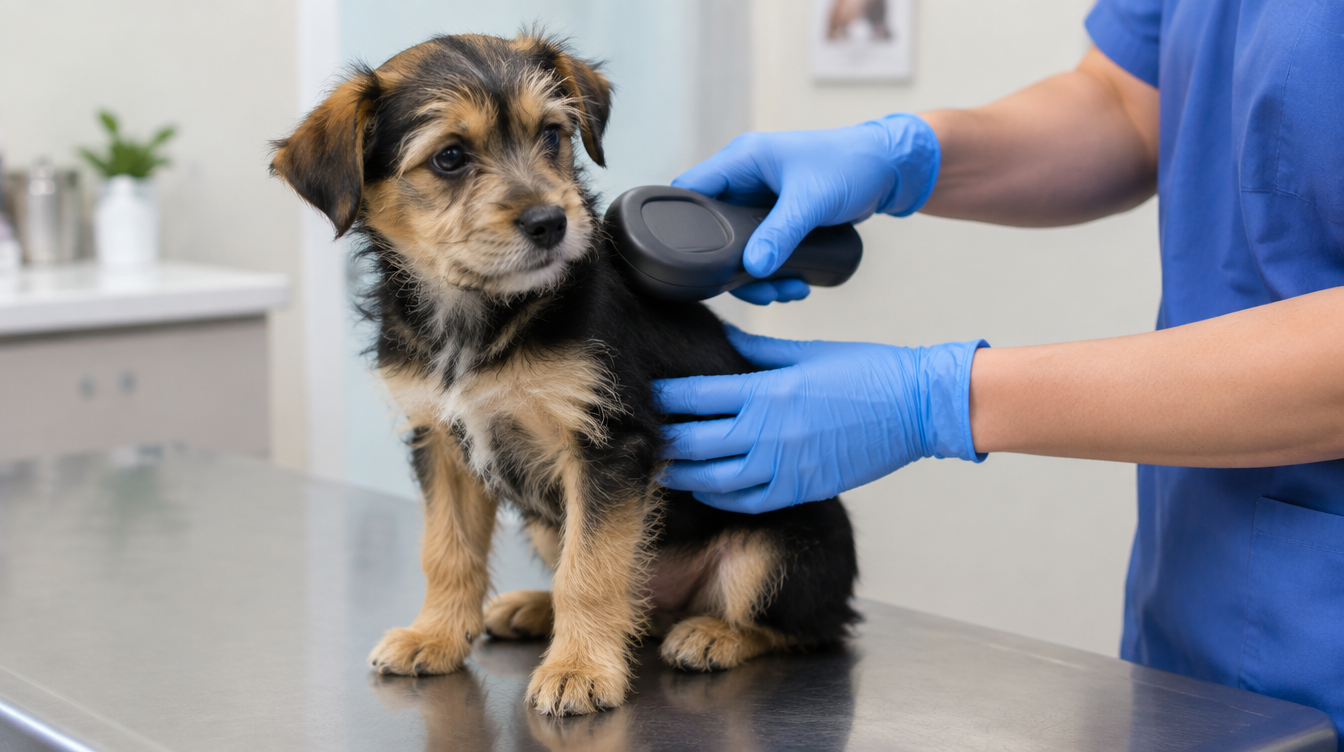
What a pet microchip is, how we place one, what it can and cannot do, and why keeping the registration current matters. From your Nashville neighborhood vet.
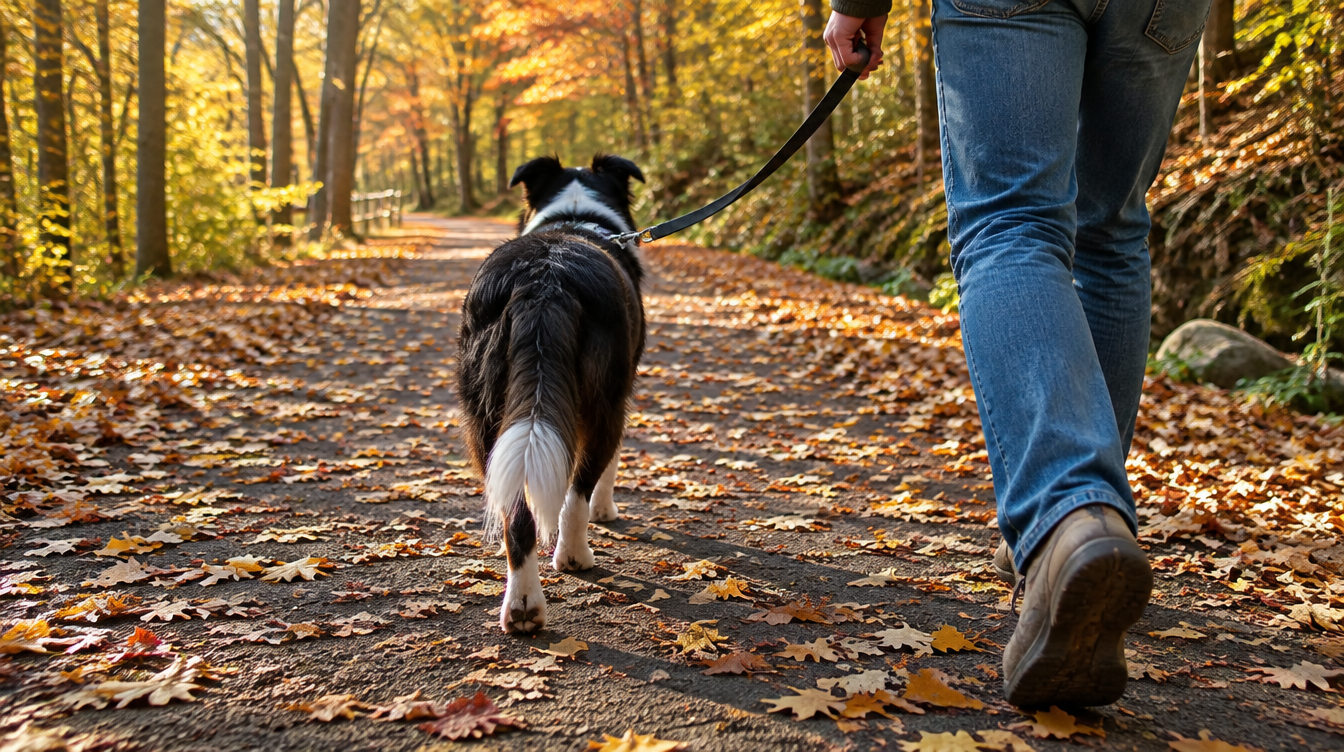
Our favorite fall dog walks in Nashville, from Warner Parks trails to Metro dog parks, plus the leash rules and tick checks to know before you head out.
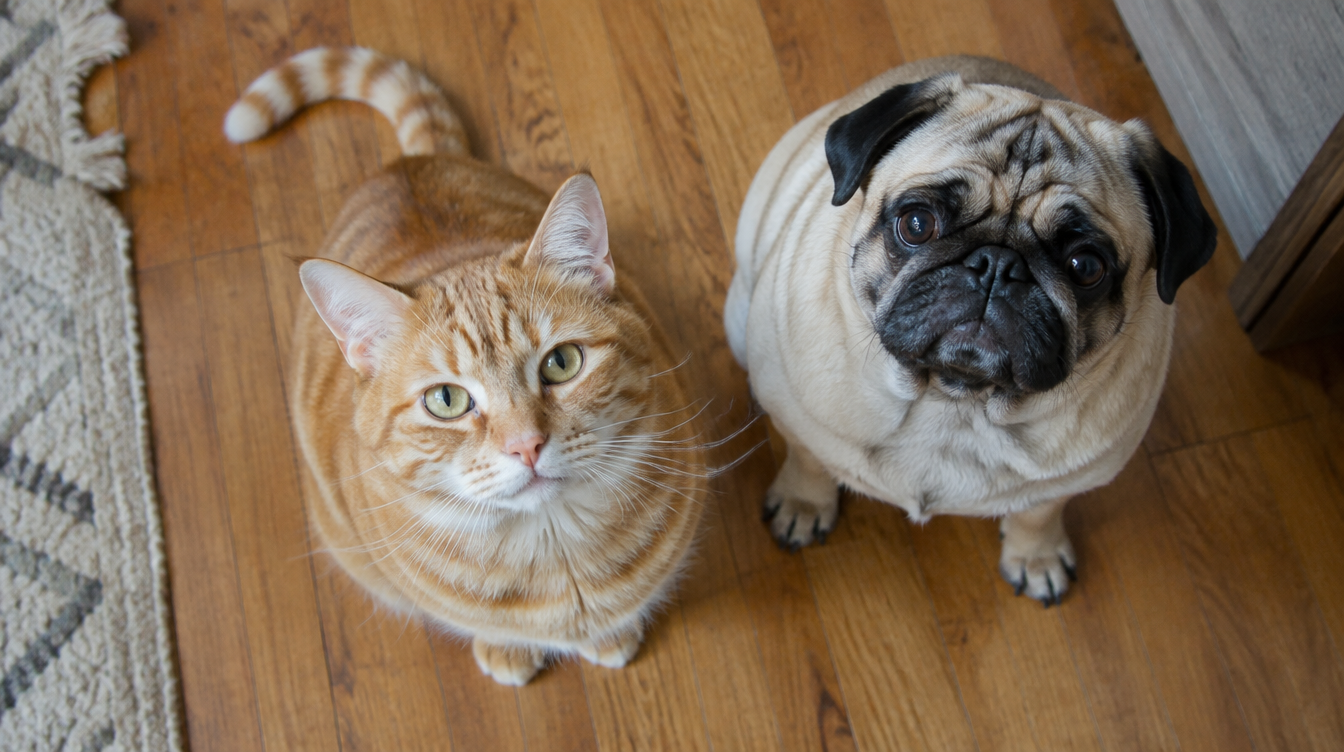
A simple at-home check for dogs and cats, why a few extra pounds matter more than you'd think, and easy ways to help, from your Nashville neighborhood vet.
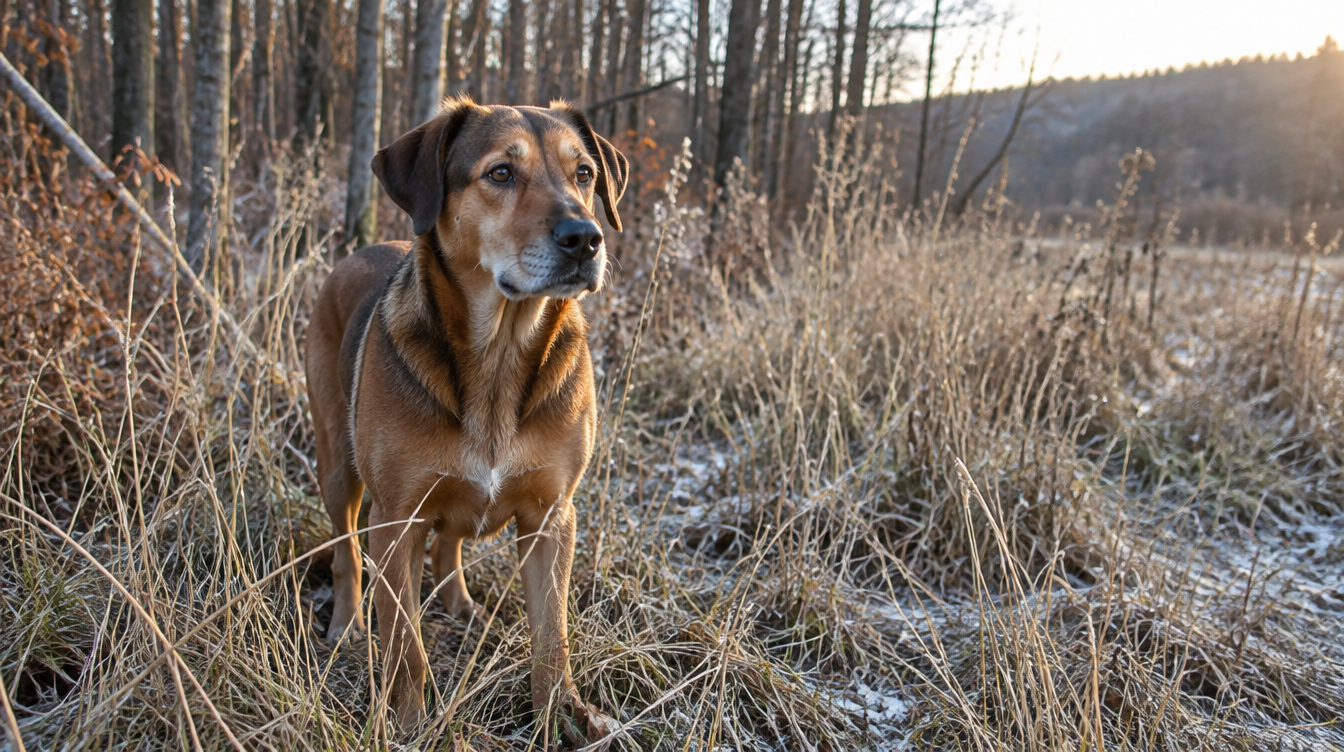
Fleas and ticks stay active through Tennessee winters. Here is why Nashville dogs and cats need prevention all year, and how the products actually work.
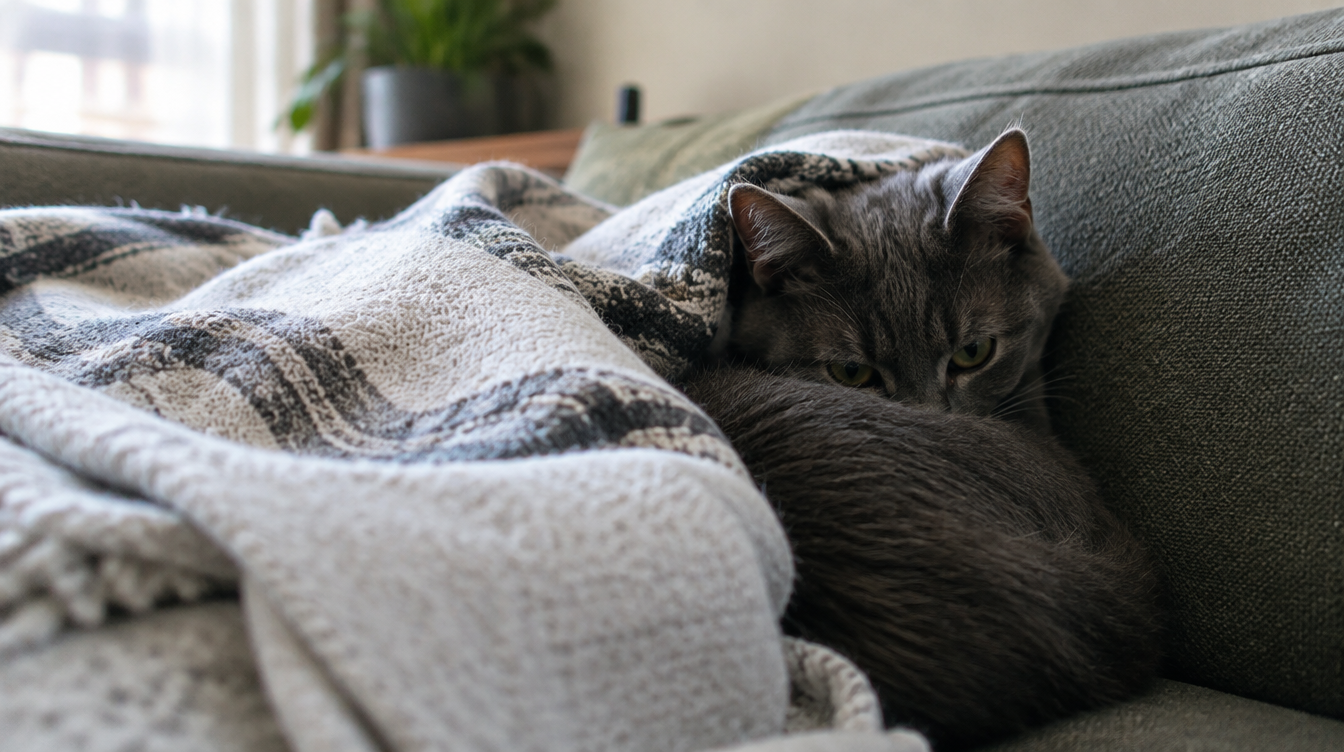
Cats are experts at hiding illness. Here are the small changes in eating, grooming, litter box habits and behavior that mean it's time to call your vet.