
Do indoor cats really need vaccines?

Paws & Claws Animal Hospital • October 16, 2026

Share this article

We hear it in the exam room all the time: "She never goes outside, so she doesn't need shots, right?" It's a fair question. Your cat's whole world is the couch, the window and the spot on the bed you used to think was yours.

The short answer is yes, indoor cats still need vaccines. Usually fewer than a cat who roams the neighborhood, but a few of them matter a lot. Here's why.

Indoor doesn't mean sealed off

Your cat may stay inside, but the outside world visits anyway. Some of the viruses we vaccinate against are tough and can survive on surfaces for a long time. Panleukopenia (feline distemper) is the classic example. It can hitch a ride into your house on shoes, clothing and hands, no cat-to-cat contact required.

Then there are the everyday surprises:

  • A door left open while you carry in groceries
  • A torn window screen
  • A new kitten or a foster joining the family
  • A stay at a boarding facility or a trip to the groomer
  • A bat in the house (it happens more often in Middle Tennessee than you'd guess)

Even the most committed homebody can end up exposed to something without ever setting a paw on the porch.

The core vaccines every cat should have

Veterinary guidelines from AAHA and the American Association of Feline Practitioners call certain vaccines "core," meaning they're recommended for every cat, whatever their lifestyle. There are two:

  • FVRCP. One combination vaccine that protects against three diseases: panleukopenia, feline herpesvirus and calicivirus. Panleukopenia is serious and often fatal, especially in kittens. The other two cause upper respiratory infections that spread easily and can linger for life.
  • Rabies. More on this one below, because it's in a category of its own.

Kittens get a series of boosters a few weeks apart, since the protection they get from their mother fades at an unpredictable pace. Adult cats are boosted on a one- or three-year schedule, depending on the vaccine. You can read more about how we handle vaccinations for cats and dogs on our site.

Rabies is the law, and for good reason

Tennessee law requires dogs and cats to have a current rabies vaccine, and that includes cats who never leave the house.

Rabies is fatal, and there's no treatment for a pet once symptoms start. Bats are one of the common carriers, and they can squeeze into attics and living spaces through very small gaps. A cat's natural reaction to a fluttering bat is to chase it, which is exactly what we don't want.

There's also a practical side. If an unvaccinated cat tangles with a wild animal, or bites a person (even a startled nip during a nail trim), the rules that kick in are much stricter than they are for a cat whose rabies vaccine is up to date. A current certificate makes a stressful day a lot simpler.

What about feline leukemia?

The feline leukemia (FeLV) vaccine depends on age and lifestyle. Current guidelines recommend it for all kittens, because young cats are the most vulnerable and their living situation can change. Plenty of "indoor only" kittens grow into cats with strong opinions about the back door.

For adult cats who truly stay inside and don't live with cats that go out, we often don't need to keep boosting it. If your cat spends time outdoors or shares a home with one who does, it's worth continuing. This is something we sort out together based on how your cat actually lives.

What to expect at the visit

We do a brief exam before any vaccine to make sure your cat is healthy enough for it. That exam is valuable all by itself. Cats are experts at hiding problems, and a yearly wellness exam is often where we catch things like dental disease or weight changes early.

Afterward, most cats act completely normal. Some are a little sleepy or sore for a day, and may not be thrilled with you until dinner. Call us if you notice vomiting, facial swelling, trouble breathing, or a lump at the injection site that sticks around or gets bigger. If your cat has reacted to a vaccine before, tell us ahead of time so we can adjust the plan.

Not sure where your cat stands?

If you can't remember the last time your cat had shots, you're in good company. Give us a call and we'll look up their records, or start fresh if they're new to us. We'll figure out what your cat needs, skip what they don't, and get them back to their window as quickly as we can.

Recent Posts

By Paws & Claws Animal Hospital • October 16, 2026
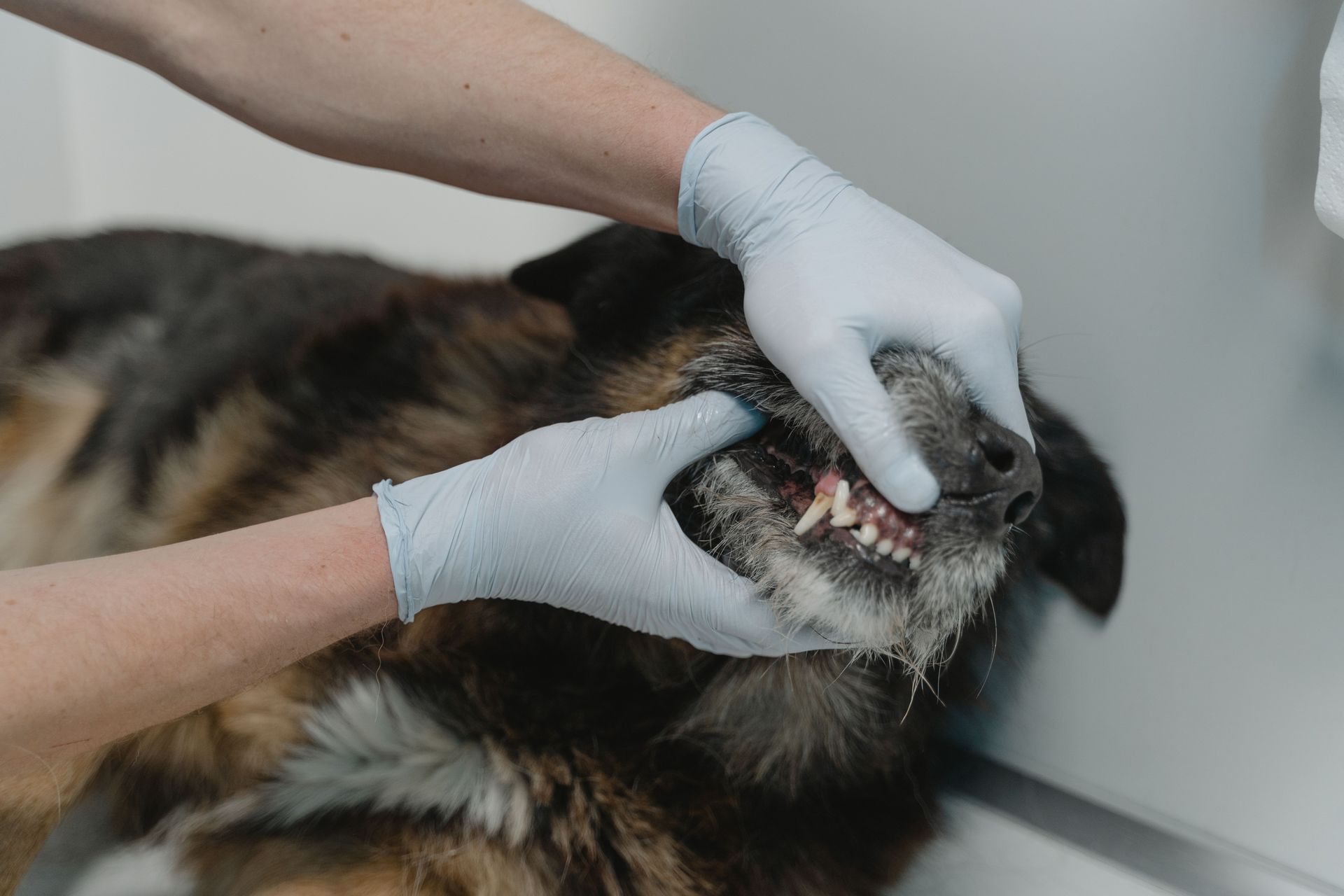
What happens during a dog or cat dental cleaning, why we use anesthesia, signs to watch for, and how to care for teeth at home. From your South Nashville vet.
By Paws & Claws Animal Hospital • October 16, 2026
Mushrooms, acorns, rat bait and antifreeze all show up around Nashville homes in fall. Here is what to watch for with dogs and cats, and when to call us.
Cat sitting by a bowl of Halloween candy near the front door
By Paws & Claws Animal Hospital • October 6, 2026
Halloween is coming to Nashville. Here is how to keep dogs and cats safe around candy, costumes, decorations and a doorbell that will not stop ringing.
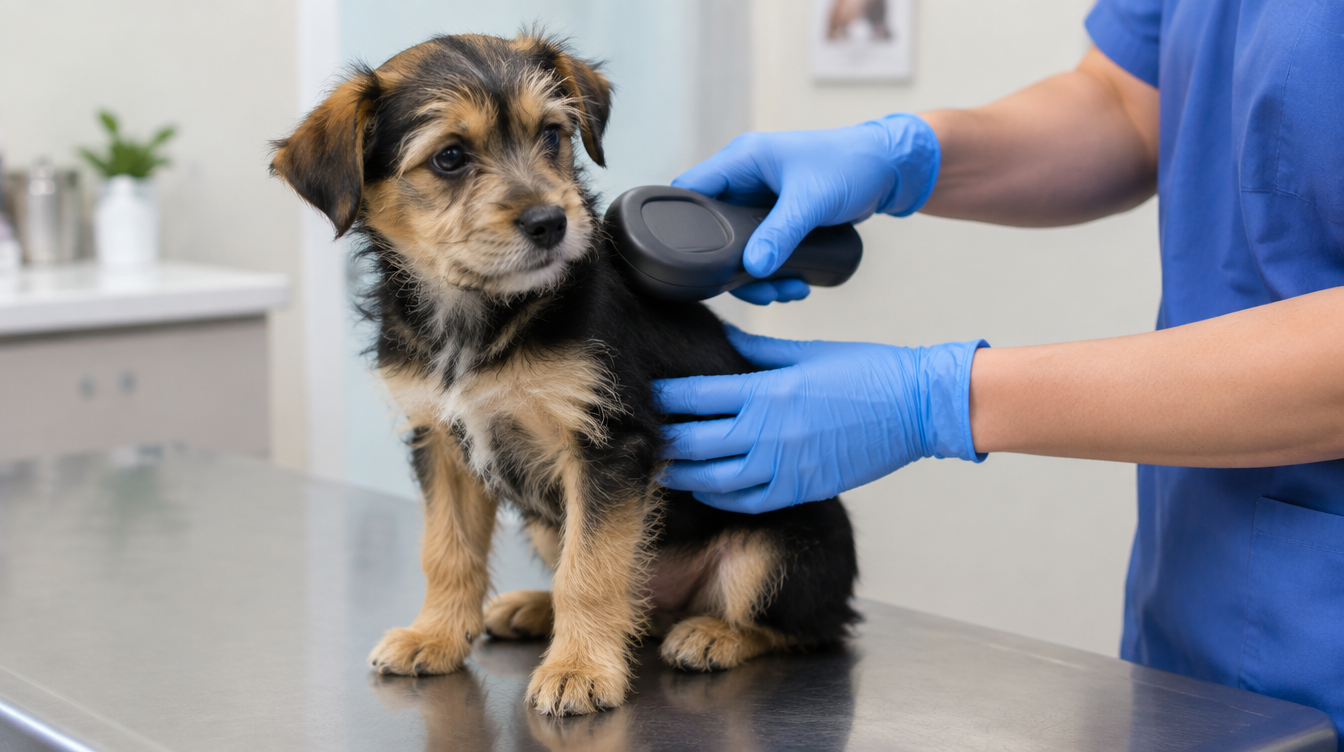
Puppy on an exam table being scanned for a microchip
By Paws & Claws Animal Hospital • October 4, 2026
What a pet microchip is, how we place one, what it can and cannot do, and why keeping the registration current matters. From your Nashville neighborhood vet.
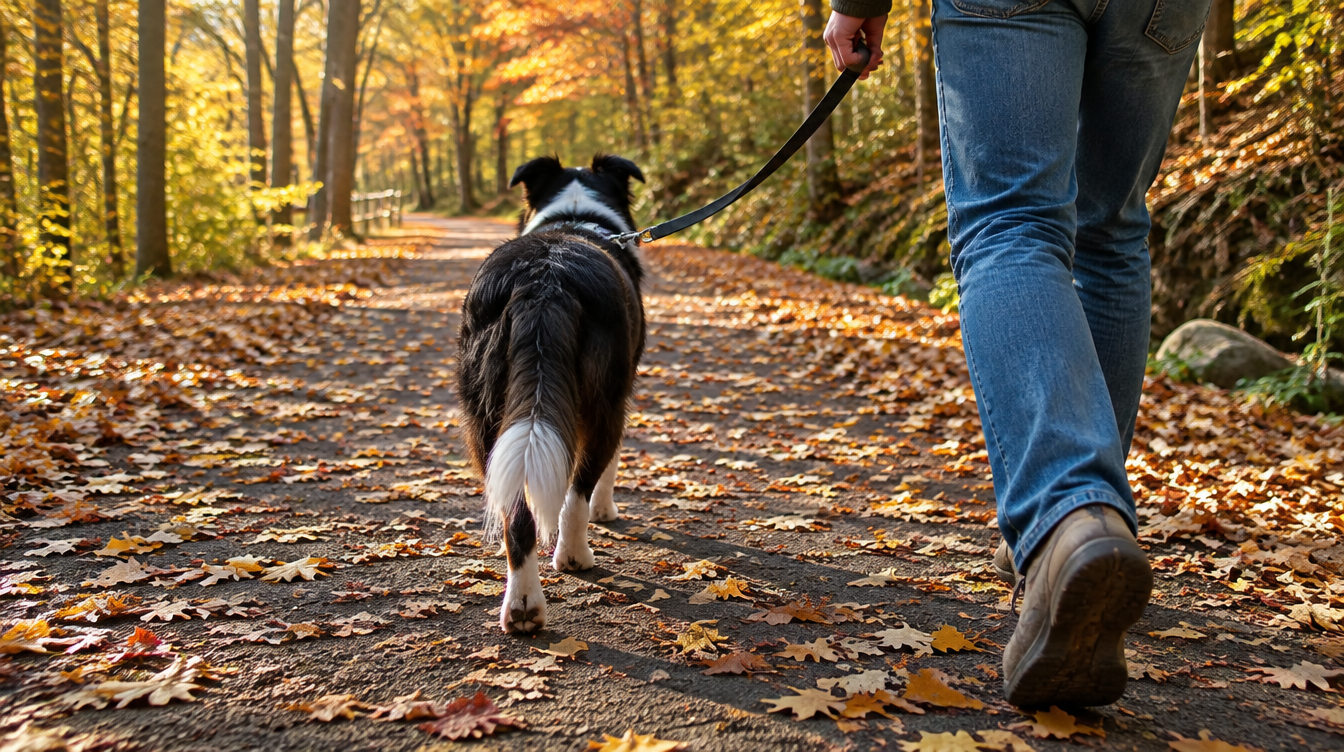
Dog on a leash walking a leaf-covered greenway trail in fall
By Paws & Claws Animal Hospital • October 2, 2026
Our favorite fall dog walks in Nashville, from Warner Parks trails to Metro dog parks, plus the leash rules and tick checks to know before you head out.
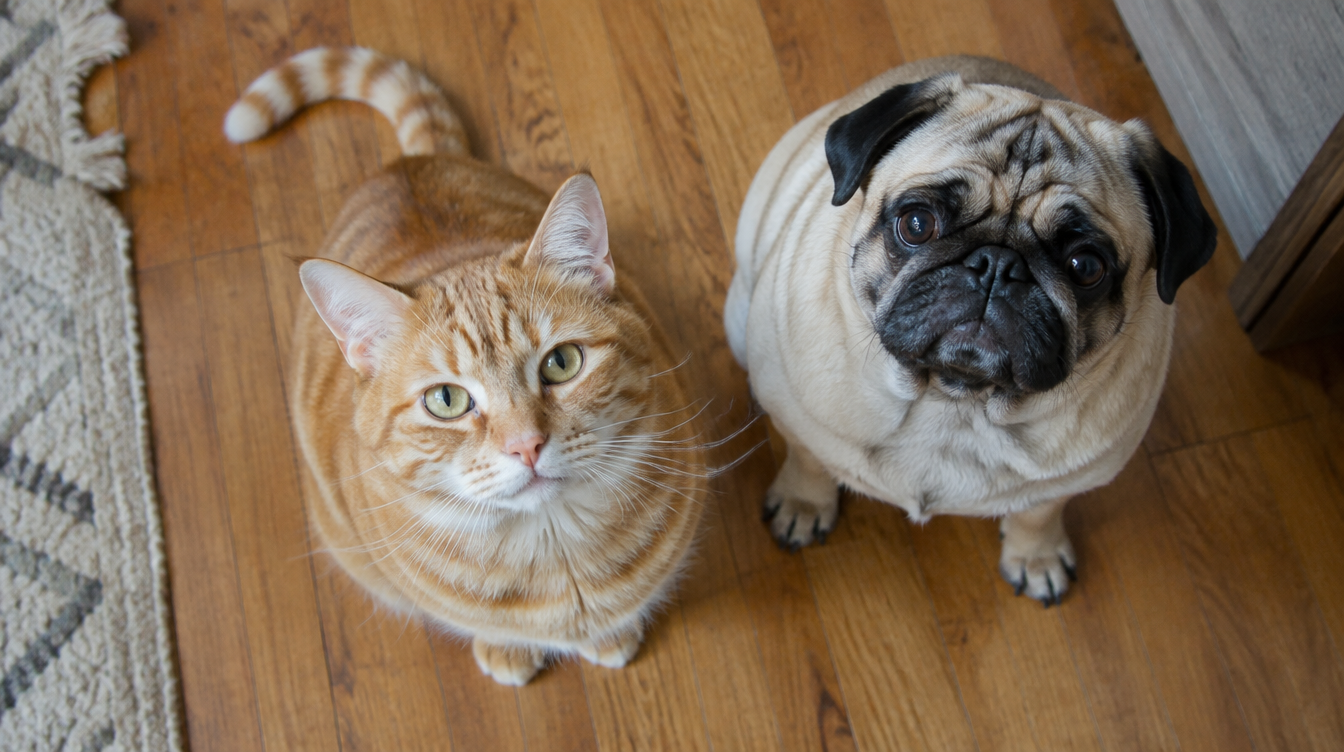
Orange tabby cat and pug sitting side by side looking up
By Paws & Claws Animal Hospital • September 28, 2026
A simple at-home check for dogs and cats, why a few extra pounds matter more than you'd think, and easy ways to help, from your Nashville neighborhood vet.

Dog standing in tall winter grass at the edge of the woods
By Paws & Claws Animal Hospital • September 16, 2026
Fleas and ticks stay active through Tennessee winters. Here is why Nashville dogs and cats need prevention all year, and how the products actually work.
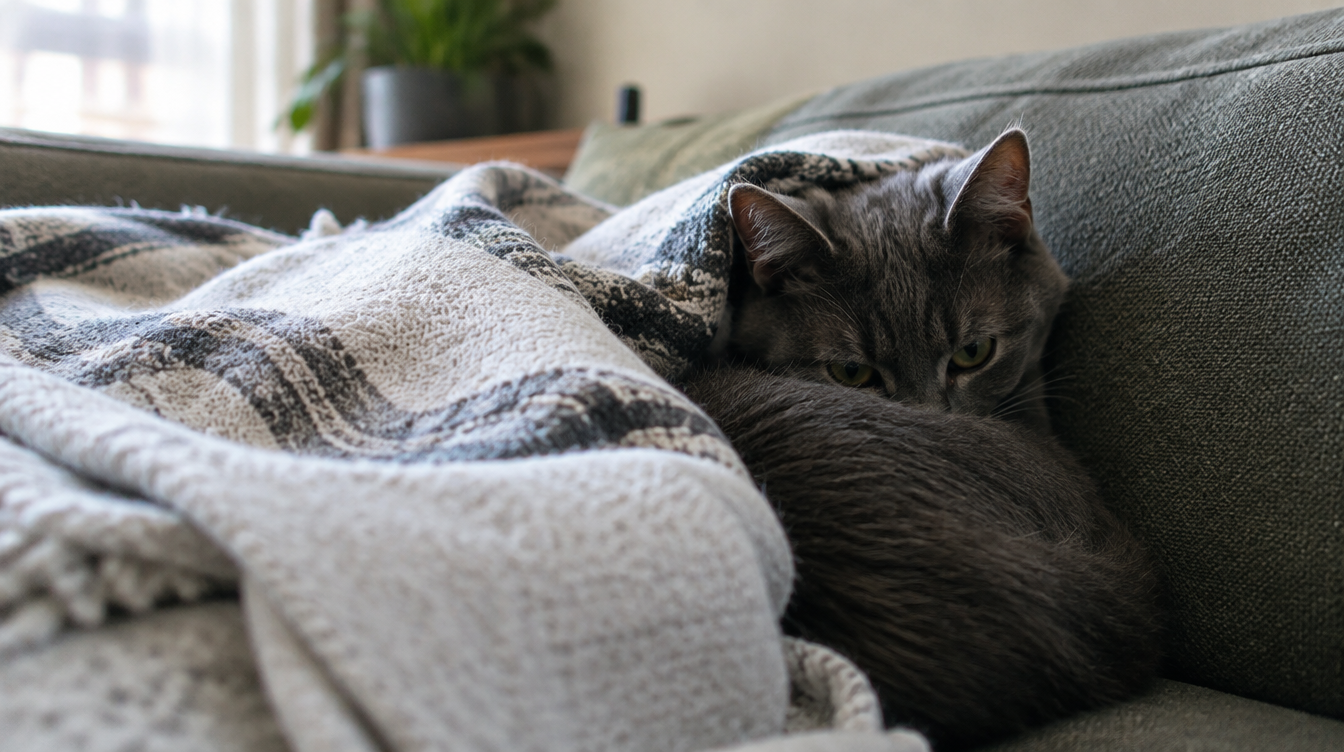
Gray cat curled up under a blanket on a couch
By Paws & Claws Animal Hospital • September 2, 2026
Cats are experts at hiding illness. Here are the small changes in eating, grooming, litter box habits and behavior that mean it's time to call your vet.
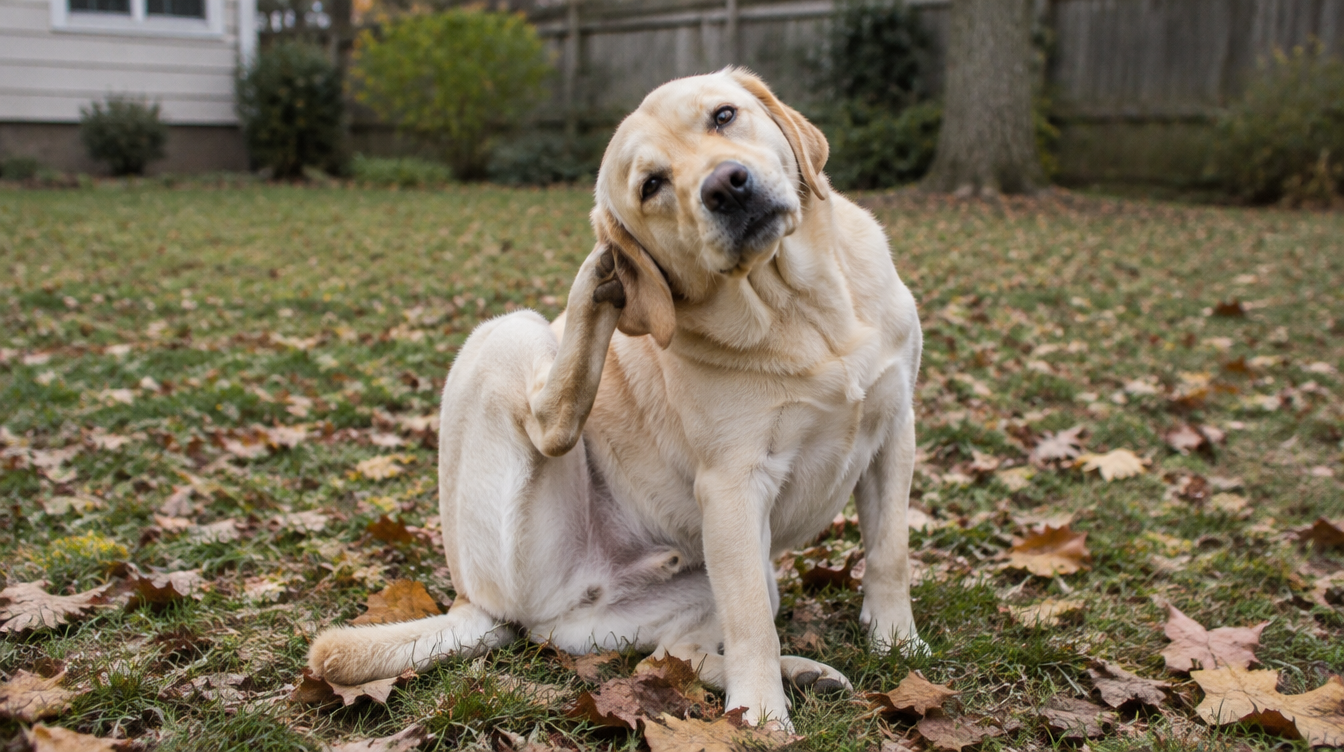
Labrador scratching its ear in a leafy fall backyard
By Paws & Claws Animal Hospital • August 26, 2026
Itchy skin, paw licking and ear trouble often flare in fall. Here is what allergies look like in Middle Tennessee dogs and cats, and when to bring them in.
Beagle looking up at a Thanksgiving table
By Paws & Claws Animal Hospital • August 12, 2026
Thanksgiving foods for pets, sorted: what dogs and cats can share in small bites, what to keep off their plate, and when to call your Nashville vet for help.
Show More