What a pet dental cleaning actually involves
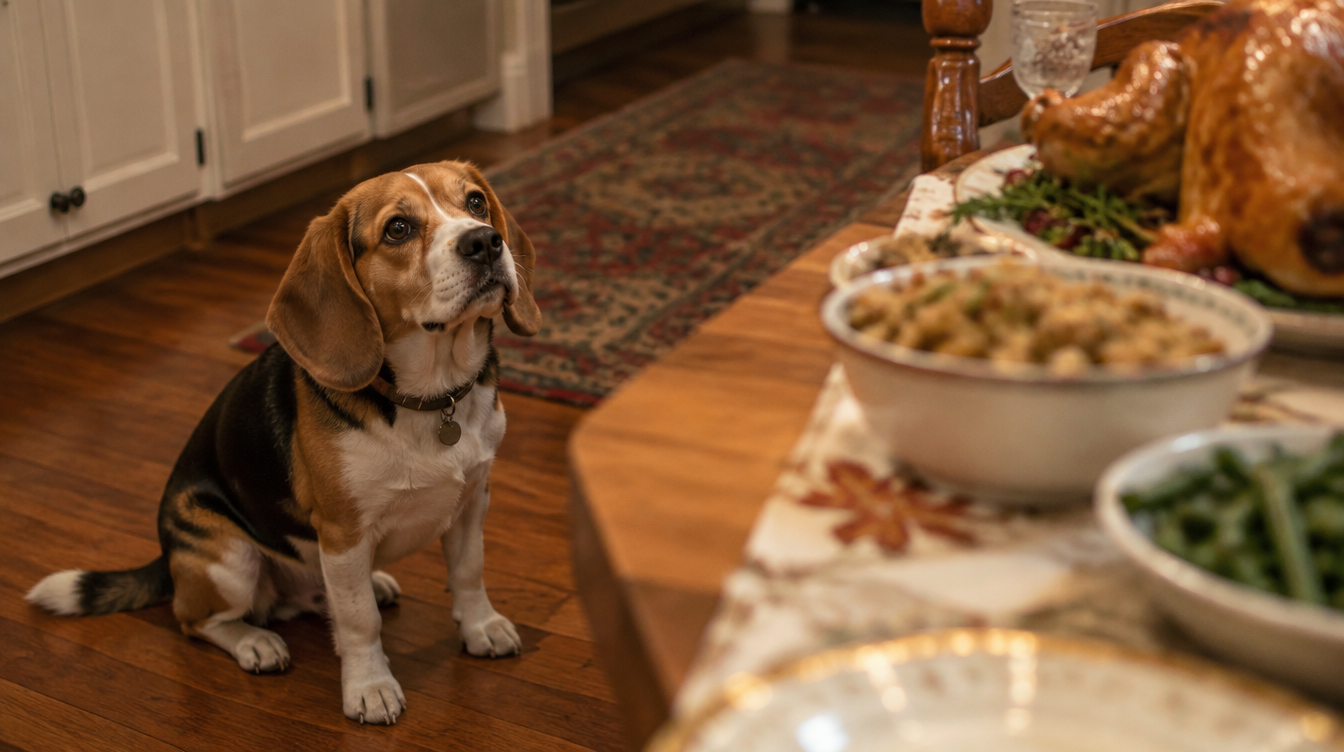
If your dog's kisses have started to clear the room, or your cat yawns and you find yourself leaning away, you're in good company. Bad breath is one of the most common things we hear about in the exam room, and it's usually the first hint that something is going on in there.
When we say "your pet could use a dental," a lot of people nod politely and then wonder what that actually means. Fair question. Here's the whole day, start to finish.
Why teeth matter more than you'd think
Gum disease is the most common dental problem in dogs and cats, and according to the American Veterinary Medical Association, most pets show at least early signs of it by age three. It starts with plaque, which hardens into tartar, which works its way under the gumline where you can't see it.
That hidden part is the trouble. Most dental disease lives below the gums, so a mouth can look okay from the outside while a tooth root is quietly having a very bad time. And pets are stoic. Plenty of them keep eating right through a sore mouth, so "he's still eating fine" doesn't tell us as much as we'd all like.
Signs it might be time
You don't need to pry anyone's jaws open. Just keep an eye (and a nose) out for:
- Bad breath that sticks around
- Yellow or brown buildup on the teeth
- Red or bleeding gums
- Drooling more than usual
- Dropping food, or chewing on one side
- A broken or loose tooth
- Getting grumpy about having their face touched
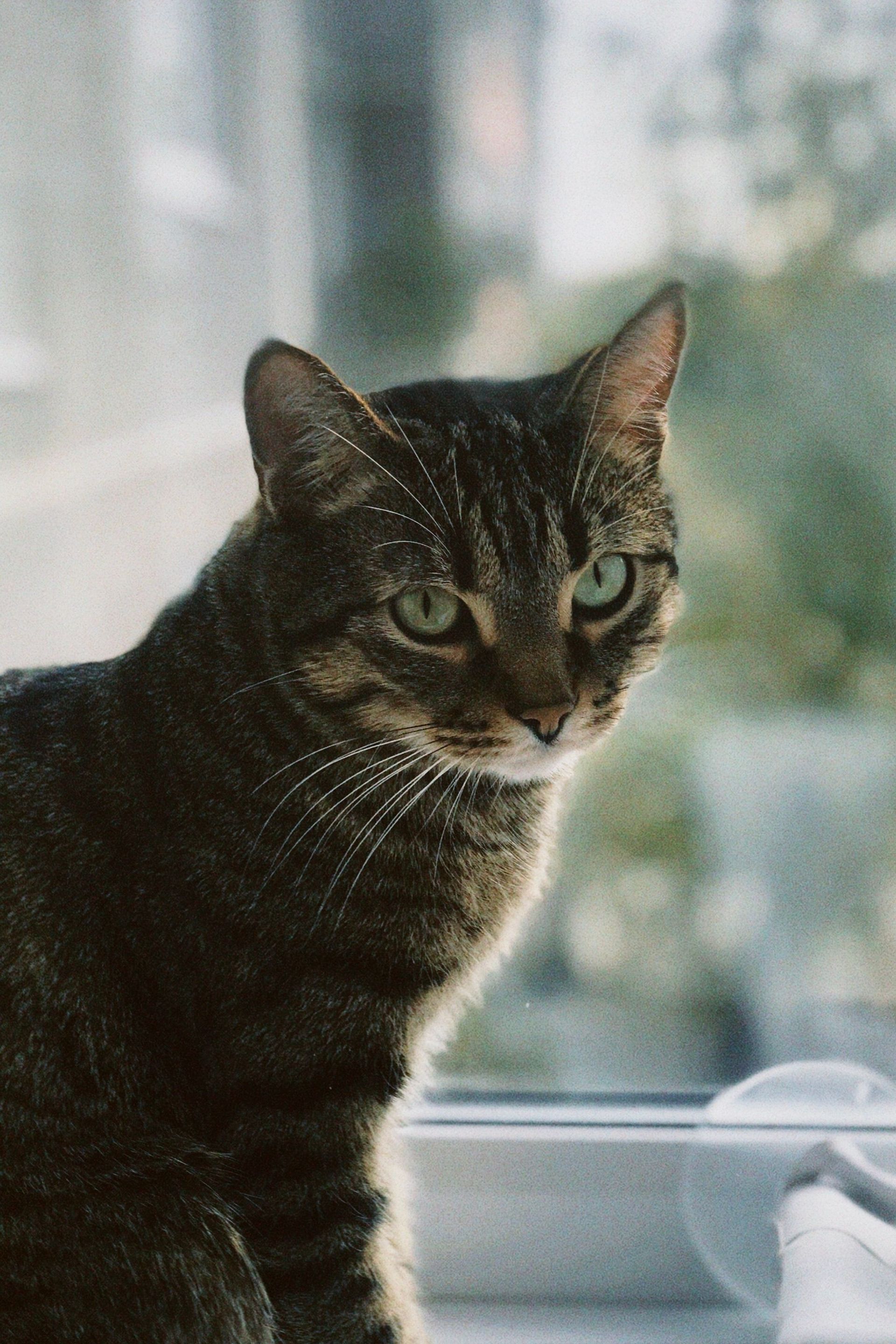
Cats are especially sneaky about mouth pain. Sometimes the only clue is that they've gone off their crunchy food or stopped grooming as much. If you spot any of these, give us a call and we'll take a look. Swelling around the face or a pet who suddenly won't eat is worth a call the same day.
What happens on dental day
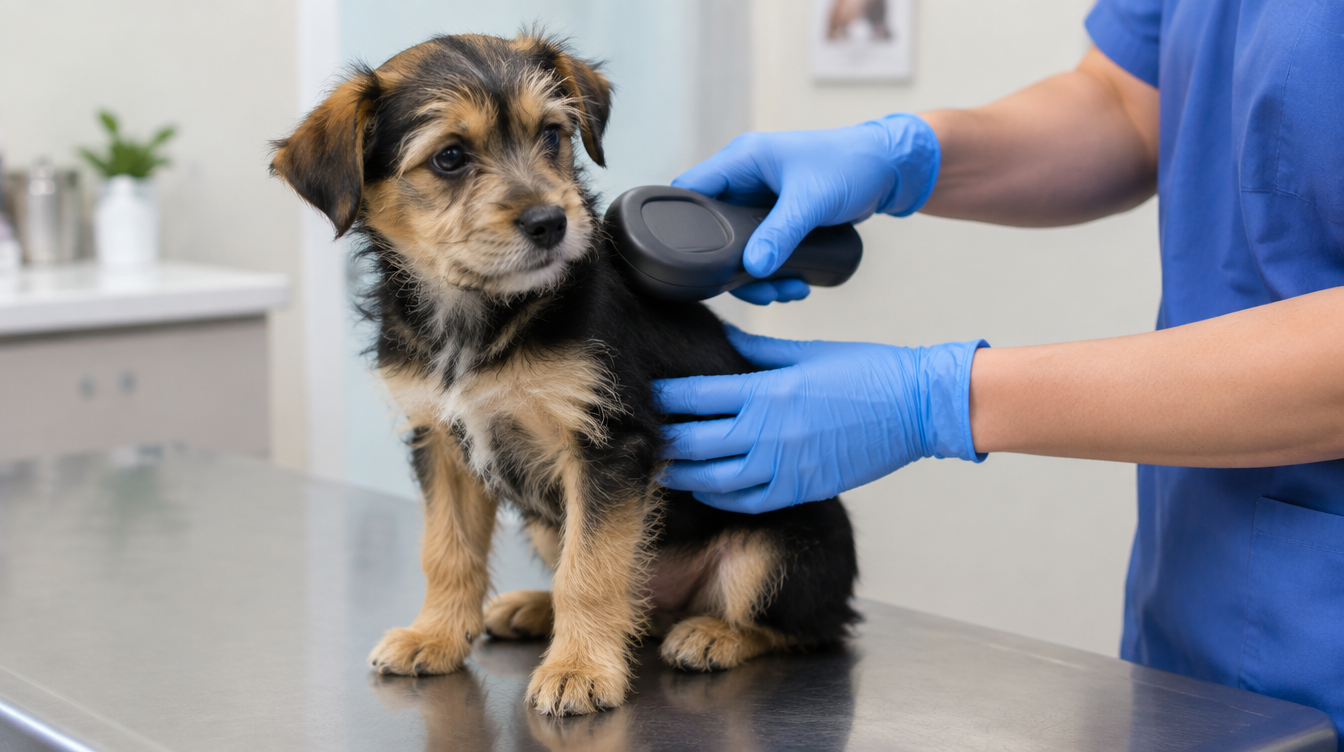
It starts before the cleaning does. We do an exam and run bloodwork first, so we know your pet's organs are ready to handle anesthesia. A doctor goes over your pet's individual risk with you before you decide anything.
Once your pet is asleep, here's what we do:
- Scale every tooth. We remove tartar above and below the gumline. The below part is the one that really counts.
- Probe the gums. We check around each tooth for pockets, which tell us where the gum has started pulling away.
- Take dental X-rays. These show us the roots and the bone, the parts no one can judge by looking. You can read more about our X-ray and lab work here.
- Polish. Smooth teeth give plaque less to hang on to.
If we find a tooth that is broken, abscessed or loose, we call you before we remove it. No surprises when you pick up.
Most pets go home that same afternoon, a little sleepy and with much nicer breath. Most are eating normally by that evening.
"Does it really have to be anesthesia?"
We get asked this a lot, and we understand the worry. The honest answer is yes. A pet who is awake won't hold still for a tool under the gums or sit patiently for X-rays, and they have no idea we're trying to help. Anesthesia keeps them comfortable and unstressed, and it lets us do the job properly instead of just making the visible parts look tidy.
While your pet is under, a dedicated assistant stays with them the whole time, watching heart rate, oxygen, blood pressure and temperature.
And for our gray-muzzled friends: age by itself is not a reason to skip a dental. That's what the bloodwork and the exam are for. Older pets are often the ones who feel the biggest difference afterward.
Keeping those teeth clean at home
A cleaning gives you a fresh start. What you do at home decides how long it lasts.
- Brushing is the best thing you can do. Daily is ideal, but a few times a week still helps. Use a toothpaste made for pets, since human toothpaste isn't safe for them to swallow.
- Dental chews and diets can slow tartar down. Ask us which ones are worth your money before you buy.
- Go slow with cats. Most can learn to tolerate brushing, but it takes patience, treats, and a willingness to be judged.
None of this replaces a professional cleaning, but it can stretch the time between them.
Wondering about your pet's teeth?
The cost of a dental depends on your pet's size and how much work their mouth needs, so we give you a written estimate before anything gets scheduled. If you're in Nashville and that fishy breath has been bugging you, take a look at our dental care page or give us a call. We're always happy to lift a lip and tell you what we see.