Fall yard and garage hazards for Nashville pets
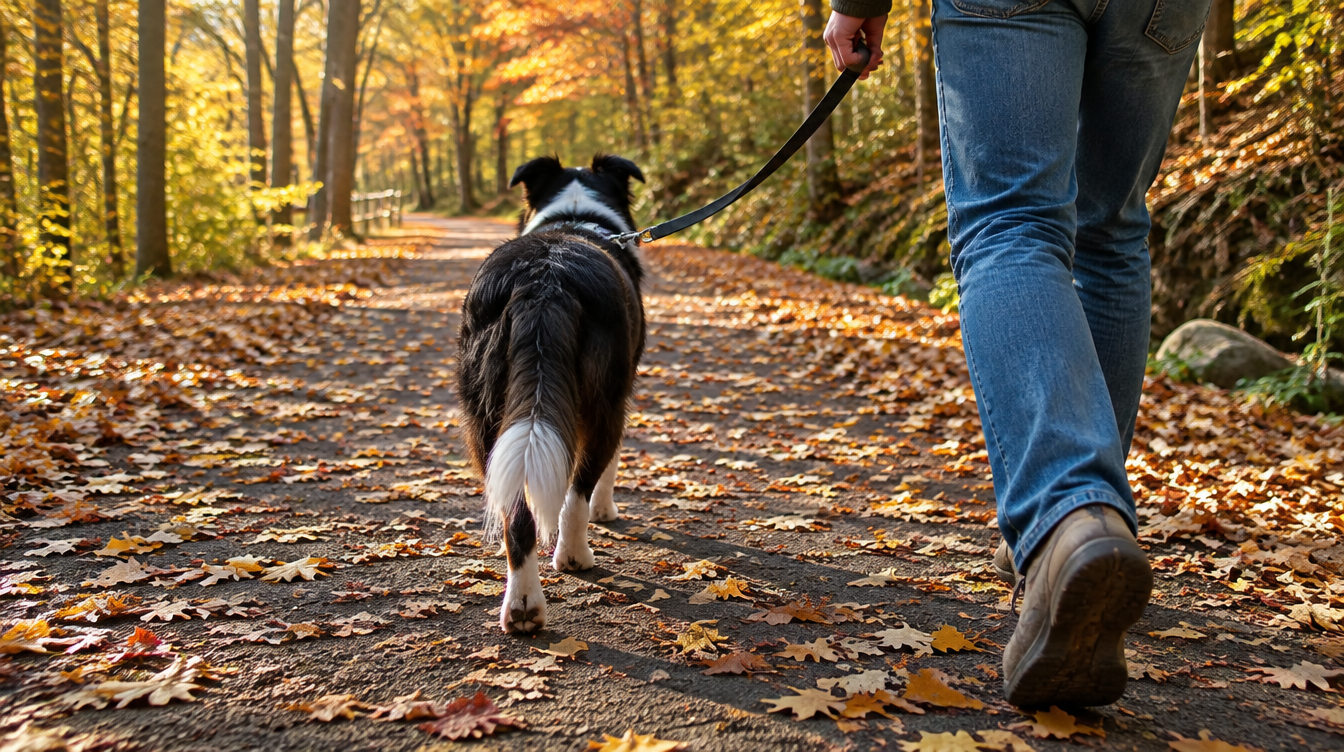
Fall in Nashville is lovely. Cooler mornings, leaves everywhere, and dogs with twice the energy on their walks. It is also the season when a few sneaky hazards show up in yards, garages and sheds across Middle Tennessee. Most are easy to manage once you know they are there, so here is what we see this time of year and what to do about it.
Mushrooms in the yard
After a rainy stretch, mushrooms pop up in lawns, mulch beds and along the greenways almost overnight. Most are harmless, but a few that grow around here can cause serious liver or kidney trouble, and the dangerous ones are very hard to tell apart on sight. Your dog certainly cannot tell, since anything in the grass counts as a snack.
Pull up any mushrooms you spot in the yard before your pet finds them, and keep an eye on sniffy dogs out on the trail. If you see your pet eat one, call us right away rather than waiting to see what happens. Snap a photo or drop a sample in a paper bag if you can, since knowing the type helps with treatment. Vomiting, drooling, wobbliness, or a dog who just seems off after a yard adventure are all reasons to pick up the phone.
Acorns and all those leaves
Oak trees are everywhere in Nashville, and so are acorns this time of year. Acorns contain tannins that can upset a pet's stomach, and dogs who swallow a lot of them can end up with a blockage. Wet leaf piles are not toxic on their own, but they hide mushrooms, mold and the occasional bit of trash, so we are not big fans of letting dogs eat their way through one.
A quick rake of the favorite spots and a little more supervision usually solves it. Repeated vomiting, a tight or painful belly, or a dog who cannot keep food down after a leaf pile party needs a call to the clinic.
Rat and mouse bait
This is the one we worry about most. When the nights get cold, mice and rats head indoors, and a lot of folks put out bait in the garage, under the deck or in the crawl space. Here is the catch: the flavorings that make bait appealing to rodents also make it appealing to dogs and cats. Pets can also be exposed by eating a rodent that already ate the bait.
Not all rodent baits work the same way, and that matters. Some cause internal bleeding that may not show up for several days. Others affect the brain and cause tremors, weakness or seizures. A newer type contains a concentrated form of vitamin D that can damage the kidneys even in small amounts. Treatment is different for each, so if you suspect your pet got into bait, hang on to the packaging and bring it with you. Many products look nearly identical, so guessing by color does not work.
A few habits go a long way. Use enclosed bait stations instead of loose pellets, write down where every station is, and place them only where a determined dog or a curious cat cannot reach (cats get into surprising spots). If you are not sure your pet is safe around the setup, snap traps inside a covered box are often the better choice.
Signs can take days to appear with some products, so a pet who seems fine that day is not off the hook. Pale gums, unexplained bruising, bloody stool or urine, nosebleeds, weakness, trouble breathing, tremors, or drinking and peeing far more than usual all need attention right away.
Antifreeze in the garage
As people winterize cars, antifreeze leaks and spills become more common. Standard antifreeze contains ethylene glycol, which is sweet-tasting and extremely toxic to both dogs and cats. A cat can be poisoned just by walking through a small puddle and then grooming its paws.
Early signs show up within a few hours and can look like a pet who is drunk: stumbling, vomiting, and drinking a lot of water. The tricky part is that pets often seem to improve after that first stage while the kidneys are still being damaged. Treatment works best when it starts early, so any suspected antifreeze exposure is a true emergency. During our weekday hours, call us at (615) 833-4423. After hours, head straight to one of the 24-hour hospitals on our emergency info page.
For prevention, store antifreeze sealed and up high, clean up spills right away (kitty litter soaks them up nicely), and consider a propylene glycol based antifreeze, which is much less dangerous if a pet gets into it.
A few other fall odds and ends
- Mothballs: often pulled out of storage this time of year. They are toxic if eaten or chewed, so keep them sealed and away from pets.
- Compost piles: moldy food scraps can produce toxins that cause tremors and seizures. A lid or fence keeps curious noses out.
- Fire pit leftovers: charred food, skewers and corn cobs are tempting and can cause blockages.
When in doubt, call
We would always rather hear about something that turns out to be nothing than find out about a problem a few days late. If your pet gets into something during the week and needs to be seen the same day, that is exactly what our daytime urgent care hours are for. For a pet that is collapsing, seizing or struggling to breathe, skip the phone call and go straight to the nearest emergency hospital.
The ASPCA Animal Poison Control Center is available around the clock at (888) 426-4435 (a consultation fee may apply). Have the product packaging in hand when you call.
Enjoy the leaves, pull the mushrooms, lock up the bait, and give your pup an extra sniff break on the next crisp morning. We will be here if you need us.