

When the clocks fall back: dark walks and early dinner demands


By Dr. Meg Roth, The Music City Vet • October 30, 2026

This Sunday, November 1, the clocks fall back an hour across Middle Tennessee. You get an extra hour of sleep. Your dog gets a whole lot of confusion, and your cat gets a brand new grievance. Pets do not read clocks. They read daylight, routine and the sound of the kibble bin, which is why the week after the time change brings us the most "my dog has been staring at me since 4:30" stories. Here is how we handle it at home, plus a few things about walking in the dark worth a minute of your time.

Why your pet is sure dinner is late

Dogs and cats run on an internal clock set by daylight, meals and your habits. Shift your schedule by an hour overnight and, from their point of view, dinner is suddenly an hour late. Most dogs grumble and get over it in a few days. Cats with strong opinions can keep up the 4 a.m. lobbying for a week or more.

The easiest fix is a gradual one. If you can, move meals and walks about 10 to 15 minutes later each day over this coming week, so the hour lands in small steps instead of all at once. If the week gets away from you, that is fine too. Stick to the new clock times and do not give in to the early-dinner campaign, because every snack that works teaches them to try again tomorrow. An automatic feeder or a puzzle feeder takes you out of the negotiation entirely, which cats seem to accept better than they accept you saying no.

Some pets eat a little less or sleep a little more during the switch, and that usually passes. If appetite stays off for more than a day or two, or a cat stops eating altogether, give us a call. That is not a time-change thing.

Sunset before 5 means a lot more walks in the dark

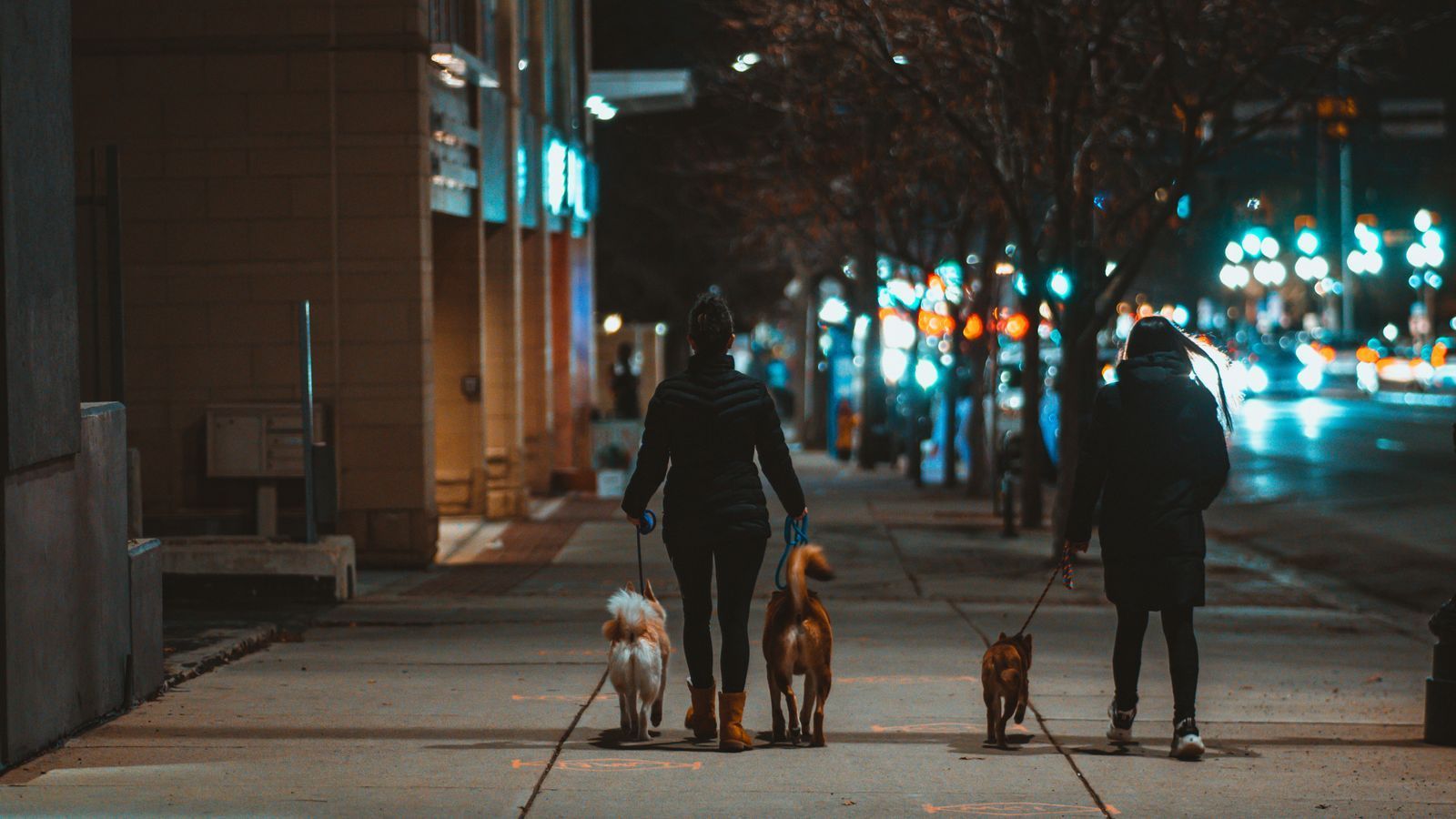
After Sunday, the sun sets in Nashville a little before 5 p.m., so the evening walk that used to happen in daylight now happens in the dark for most of us. Drivers backing out of driveways, cyclists on the greenway and other dogs all have a harder time seeing a dark dog on a dark sidewalk. A few cheap things make a big difference:

  • A reflective collar, harness or leash , so headlights pick your dog up from a distance. A clip-on LED collar light is even better, and most charge by USB now.
  • Something reflective on you too. Your dog is not the only one crossing the street.
  • A leash, even for the dog who is normally great off leash. In the dark, a dog that bolts after a rabbit is a dog you cannot see, and getting hit by a car is one of the most common reasons dogs end up at an emergency hospital after dark.
  • Routes you already know. Walk a new route in daylight first so you know where the broken glass, the loose fence and the grumpy dog live.
  • A small flashlight or headlamp , which also helps you see what your dog is sniffing before it goes in their mouth. Fall yards are full of mushrooms and acorns, which we covered in our post on fall yard hazards.

Dusk is coyote time

Coyotes live all over Nashville now, and Metro Animal Care and Control notes they are most active at dusk and dawn, which is exactly when the evening walk now happens. They mostly want nothing to do with you, but small dogs and outdoor cats can look like a meal.

Keep small dogs on a short leash rather than a retractable one, and go out into the yard with them after dark instead of opening the door and hoping. Bring cats in before dusk. Feed pets indoors, keep the trash lids on and the bird seed swept up, since food is what draws coyotes into a neighborhood in the first place. If one walks toward you, Metro's advice is to make yourself big and loud, and they almost always leave. If your pet does tangle with one, bring them in for daytime urgent care or head to an emergency hospital at night, even for a small puncture. Those wounds get infected easily.

Timed medications and other things that run on a clock

If your pet takes something on a schedule, like insulin for a diabetic dog or cat, or a medication that needs to be a set number of hours apart, do not just jump it an hour overnight. Shift it gradually like the meals, or give us a call and we will walk you through it for your pet. The same goes for pets on a strict feeding plan for weight or kidney reasons.

Litter box habits and the evening cat zoomies will shift on their own schedule. Give it a week.

It is a few months, and the dogs do not mind

Nobody loves the dark-at-5 stretch, but most dogs still seem to think a walk in the cold dark is the best part of the day. Grab some reflective gear, pick your route, and keep an eye out at dusk. If anything about the change has your dog or cat off their game, book a visit or call us at (615) 833-4423. We are right here on Trousdale Drive and always happy to talk about your pet's dinner clock.

Dr. Meg Roth, The Music City Vet

The Music City Vet

Dr. Meg Roth

Owner of Paws & Claws Animal Hospital. More posts

Have you scheduled your pets annual exam?


SHARE THIS

Latest Posts

Golden retriever resting at home in a recovery cone
By Dr. Meg Roth, The Music City Vet • November 10, 2026
What happens at Paws & Claws on spay or neuter day: fasting, bloodwork, monitoring, the wake-up call, pick-up and the first days of home care in Nashville.
Happy dog lying on the floor inside a cafe
By Dr. Meg Roth, The Music City Vet • November 6, 2026
Nashville spots that let dogs inside or under a heater this winter, plus a vet's notes on vaccine records, beer and hops, salty snacks and when to head home.
Veterinarian with a stethoscope holding a Pomeranian
By Dr. Meg Roth, The Music City Vet • November 3, 2026
What a CBC, chemistry panel and thyroid test measure, which numbers matter, why we check healthy senior pets, and what a blood draw is like at our Nashville vet.
Retriever lying in green grass outdoors
By Dr. Meg Roth, The Music City Vet • October 27, 2026
Tennessee ranks among the top states for heartworm. Why Nashville dogs and cats need prevention every month, even in winter, and what the yearly test is for.
Small brown dog being comforted during a veterinary exam
By Dr. Meg Roth, The Music City Vet • October 23, 2026
Which pet problems cannot wait until morning, the three 24-hour emergency hospitals near South Nashville with addresses and phones, and what to do on the way.
By Paws & Claws Animal Hospital • October 20, 2026
How laser therapy works for arthritic, healing and itchy dogs and cats, what a session is like, and what it can and cannot do. From your Nashville neighborhood vet.
By Paws & Claws Animal Hospital • October 16, 2026
Indoor cats still need a few core vaccines. Here is why, which ones matter most, and what to expect at the visit, from your Nashville neighborhood vet.
By Paws & Claws Animal Hospital • October 16, 2026
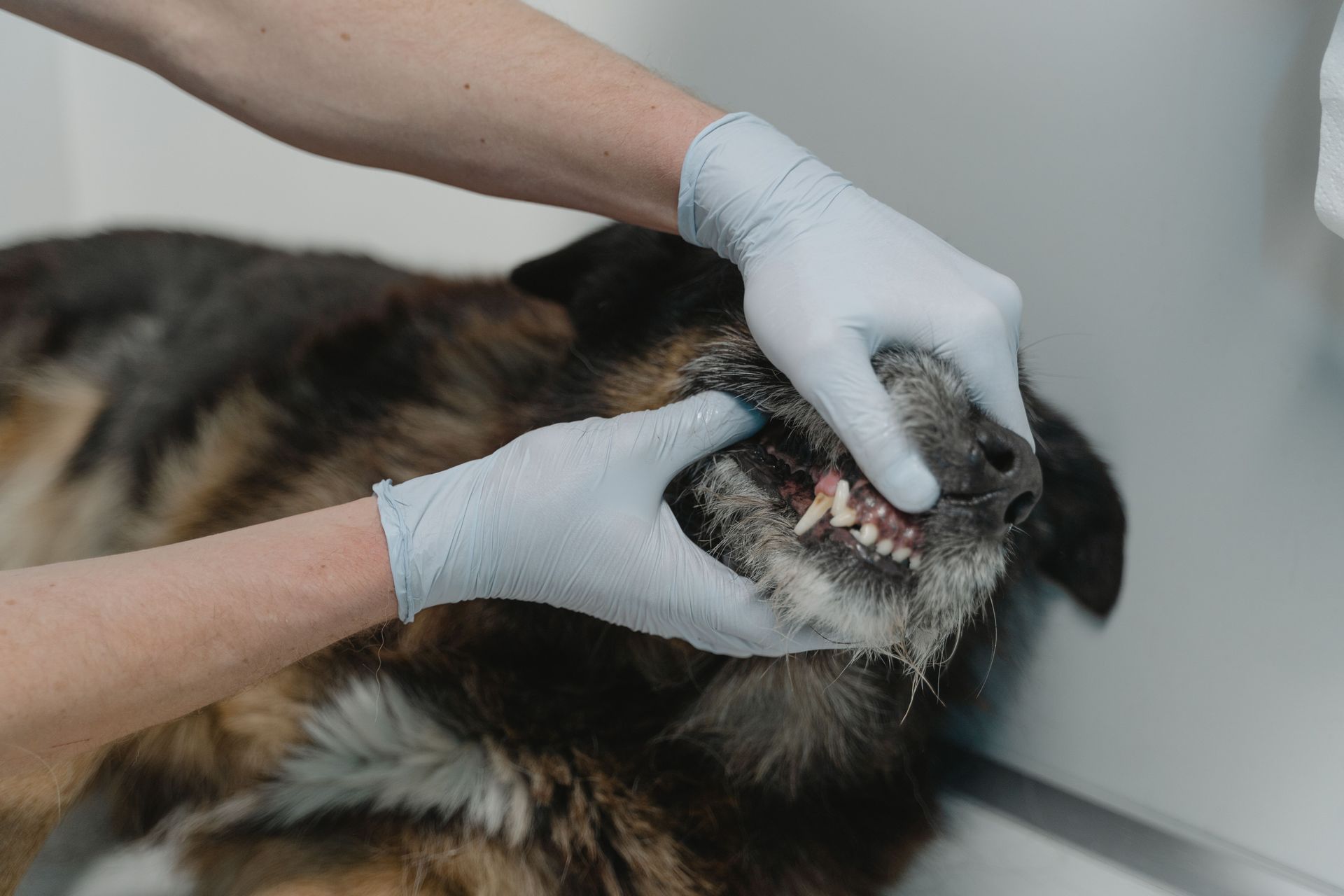
What happens during a dog or cat dental cleaning, why we use anesthesia, signs to watch for, and how to care for teeth at home. From your South Nashville vet.
By Paws & Claws Animal Hospital • October 16, 2026
Mushrooms, acorns, rat bait and antifreeze all show up around Nashville homes in fall. Here is what to watch for with dogs and cats, and when to call us.
Black kitten by a window next to a small pumpkin
By Dr. Meg Roth, The Music City Vet • October 6, 2026
Halloween is coming to Nashville. Here is how to keep dogs and cats safe around candy, costumes, decorations and a doorbell that will not stop ringing.
Show More